Pain “Mediators"
Important factors that contribute to your pain experience.
This article is not intended to provide immediate pain relief. Still, for some, increased awareness and the reassurance of knowing you can influence the symptoms that led to you seeking care from a physiotherapist or doctor can be a powerful pain reliever on its own. Also, changing many lifestyle related pain factors strongly predicts long-term satisfactory outcomes from pain management services.
20 to 40% of people worldwide have persistent pain (Pain: an update on burden, best practices, and new advances). Most seek care with these common questions about their pain - “What is wrong?” “What can I do about it?” “How long will it take to resolve?” “How can you help me with my pain?”. Other times, people can cope with the pain itself but seek help to understand other associated symptoms, such as fatigue, stiffness, and loss of strength.
When seeking help, have you ever had a doctor or physio ask about your sleep and stress levels, or about recent sickness such as a cold or flu? Have you been confused about what these have to do with your current symptoms or why these things would make your pain feel worse? And have you ever wondered why many healthcare providers encourage exercising more rather than less, despite pain, to assist people suffering from pain-related symptoms?
Well, here are the reasons for 1) why we ask, and 2) why these lifestyle factors might be the only thing you need to focus on improving to have satisfaction from seeking help.

Firstly, a quick summary of what we mean by “pain” before we talk about what affects the onset, persistence and “volume” of pain.
The meaning and measurement of “pain” is far from understood (Meanings of Pain | SpringerLink + Pain is Not a “thing”: How That Error Affects Language and Logic in Pain Medicine). Anything complex is prone to misconception and misinformation (Home | Quackwatch + Promoters of Questionable Methods and Ideas | Quackwatch). International definitions define pain as “An unpleasant sensory and emotional experience associated with, or resembling that associated with, actual or potential tissue damage” (Revised Definition of Pain - International Association for the Study of Pain). Multiple models have been developed in attempts to simplify the pain experience, knowing that “all models are wrong but some are useful” (Pain Philosophy: Recent Debates and Future Challenges, + Pain theories that have shaped our modern perspectives on pain). We all generally understand that pain is thought of at some level as an unpleasant feeling that occurs in an area of increased “nerve activity”. Some might also be aware that a chemical or hormone change can lower the threshold for increased nerve activity in any or all of the multiple interacting neural pathways between the regions of the sore site and the brain, making perception of pain easier. Fewer know that pain is not a sensation from a simple one way system. Our health, immune memory and direct awareness of a pain experience can also influence pain perception and severity, just as much as any physical changes at a single sore site that most are seeking healthcare to “target” (Nociception, pain, negative moods and behavior selection). Activity of the nerve pathways interacting between the many areas involved in these combined “top down” and ‘bottom up” pain perceptions, can be seen with fancy brain and spinal cord imaging The human amygdala and pain: Evidence from neuroimaging + Cognitive and emotional control of pain and its disruption in pain + Neuroinflammation at the Neuroforamina and Spinal Cord in Patients with Painful Cervical Radiculopathy and Pain-Free Participants + Immunoception: Defining brain-regulated immunity). Technologies for visualisation of neuro-immune responses are emerging and are currently only accessible in primary research, but results warrant their development for health professional use in diagnosis and treatment of persistent pain.
A good pain metaphor would help us picture the factors that:
increase chemical or hormone changes at and between the painful site and within brain, which are not just limited to new tissue change we might label as “injury,”
influence the “ volume” and persistence of nerve activity that we would then call persistent pain, and
influence whether or not we interpret these nerve signals as an unpleasant or a tolerable sensory experience not disruptive of a fulfilling life.
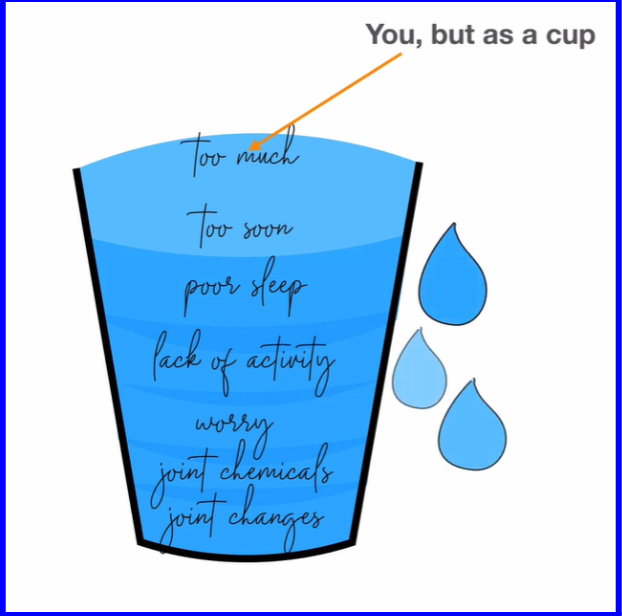
A very good analogy to conceptualise and very much oversimplify (hopefully helpfully) why pain can occur or be reduced in the future is by thinking of a “flare-up cup”. Pain is experienced when the cup is overflowing and reduced when we make the cup bigger or lower its contents from the threshold of overflowing. This article will discuss some important factors or pain “mediators” that can fill up or help empty your flare-up cup by influencing changes within your body and nervous system that contribute to earlier or easier pain perception with or without movement. Understanding these factors can help empty your “flare-up cup” or/and make it bigger to tolerate more in the future (What? Pain is complex - the overflowing cup analogy of pain + The Cup Analogy | Why We Have Pain).
There are many, many known pain “mediators” that fill up or help empty your flare-up cup (as shown in the dot graph below), of which the most impactful and modifiable we believe are described in this article. These also seem to be factors that most don’t consider or think as important to explain what has contributed to a reason for pain flare-up. We will discuss these six pain mediators: 1) mental stress, 2) pain beliefs, 3) sleep, 4) illness or wellness, 5) body fat and 6) weekly physical activity or exercise. These mediators fill up your flare-up cup when not optimal, contributing to predisposition or initiation of pain where none was perceived previously. Any daily increase in exposure to pain “mediators” can also predictably “turn up the volume” of pain intensity and contribute to perceiving other symptoms you could be concerned about also such as “fatigue”, “stiffness” or “apprehension.”

(Link)
These mediators, if optimised, can also help reduce the severity of your flare-up and increase the size of your cup, increasing your resilience to pain flare-ups in the future. The principles from this article could also be used to help assist management of headaches, and recovery from illness, gut disturbance or concussion.
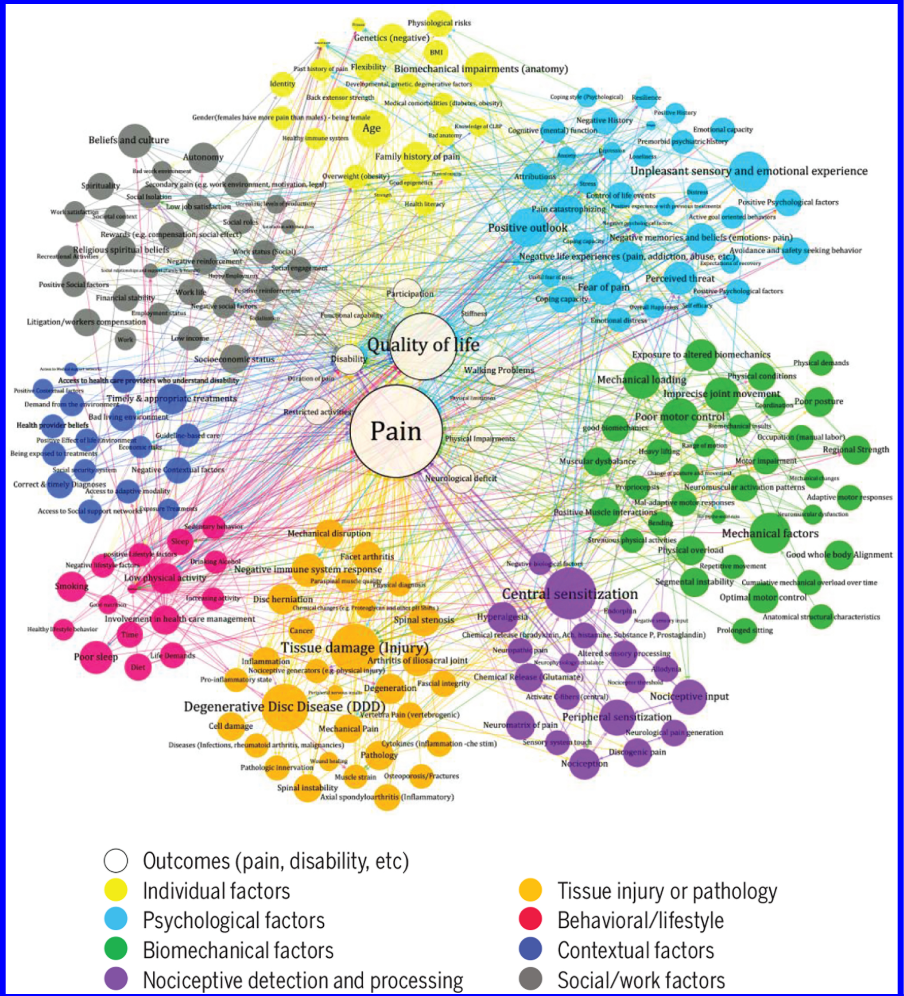
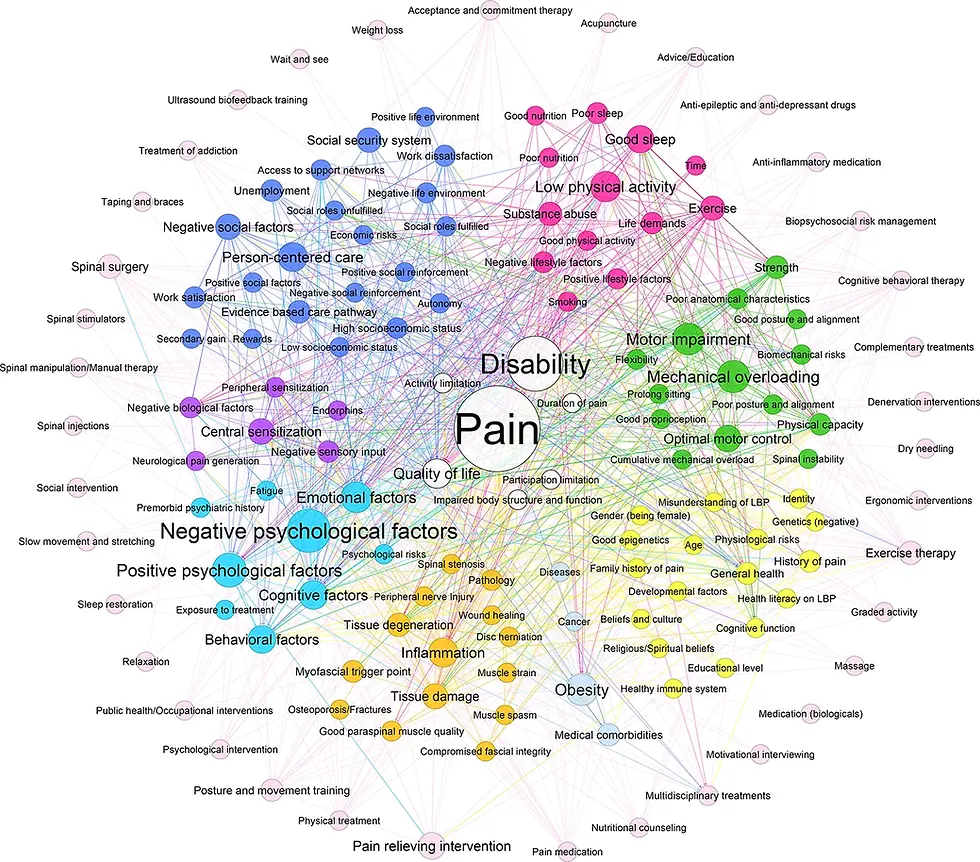
Although this article discusses some common pain mediators, as you can see with those with back pain, there are hundreds of interacting factors contributing to the pain experience. This is likely the case for any pain experience, not just back pain (Can Biomechanics Research Lead to More Effective Treatment).
Some might report not being able to account much recent change or only “small” increases in these pain mediators occurring recently to contribute to a pain flare-up. Well, in these cases it is likely we have not needed a big change in a pain mediator to occur for a flare up to subsequently occur. An almost full flare-up cup can be easily overfilled by only a small change in pain mediators. This explains why it is common for many to report that a seemingly “harmless movement” triggered their pain (e.g. picking something light off the floor like dropped keys or your child or your usual weights in the gym), or that pain occurred spontaneously (e.g. waking up with pain) (What triggers a low back pain flare? + Spontaneous onset of back pain). This experience is often very confusing and can lead many to think they must have an “injury”. Assumption that “pain is only caused by injury” is learnt from a very young age due to exposure to other experiences of pain after a cooking burn, stubbing your toe on a table, getting a paper cut or feeling a muscle strain after sprinting (“I Don’t Know Why I’ve Got this Pain!” Allostasis as a Possible Explanatory Model). The flare-up cup model explains why you can have pain with or without observable tissue change after harmless or effortful movements.
The modern pain scientific consensus is that prolonged exposure to many/any pain mediator causes “neuro-immune” changes within your nervous, hormonal, cardiovascular, and immune systems associated both with the health of your whole body and also the pathways at/or between your sore body site and brain that lower the threshold for pain perceptions during movement or at rest (Neuroimmune interactions in musculoskeletal conditions. An introduction for clinicians + Immune control of pain + Neuro-immune contributors to persistent musculoskeletal pain: from mechanisms to clinical assessment and management). These changes are too complex to measure with a single blood test or medical image like an X-ray, but more complicated measures do show these adaptations occurring to contribute to the experience of an overfilled “flare-up cup” (Emerging targets in neuroinflammation-driven pain + Cellular and Molecular Mechanisms of Pain + The anatomy of pain and suffering in the brain and its clinical implications + Diagnostic accuracy of the clinical indicators to identify central sensitization pain in patients with musculoskeletal pain + Association Between Systemic Immune‐Inflammation Index and Low Back Pain). Many of these neuro-immune adaptations appear actually to be helpful in the long term to help recover from a pain persistence. But our behavioral and cognitive response to pain, due to what we think pain means, can be its own pain mediator, contributing to symptom persistence. So unhelpful pain beliefs (like the belief that pain means we have an injury), behavioural responses that are often “well-intended” or “wisely protective”, plus the persistent exposure to other pain mediators, cause pain persistence by influencing the “neuroplasticity” of the complex changes contributing to pain reduction (Contribution of central neuroplasticity to pain). Pain can remain persistent daily until your “flare-up cup” is reduced in content, which is when these neuro-immune adaptations resolve or strengthen positively. By increasing your awareness of what you can modify to reduce the contents of your flare up cup and/or make the cup bigger, you will save time potentially suffering with pain, or being confused by why correction of “issues in the tissues” has not resolved your pain, or being stuck trying to find the single “root cause”, “proof from a medical scan”, or “quick fix” to your pain. This added awareness will help you get back to doing all your valued activities while understanding how you can control your pain rather than your pain controlling you (When pain gets stuck: the evolution of pain chronification and treatment resistance + ‘Life on hold’: The lived experience of radicular symptoms).
A quick note on “tissue change” or “injury” that are pain mediators you will see in some of the flare-up cup example pictures throughout this article. Well often, although these types of pain mediators are important to recognise and accept, they are either very difficult to modify (such as with surgery), or more importantly, very often unnecessary to change in order to lower the contents of your flare-up cup. Often just by either emptying your cup of other easier-to-modify pain mediators and/or making your cup bigger, you will become able to tolerate the structural change. This is just like how you would recover from a headache or cold/flu. This can explain why sham/placebo/fake surgery can reduce pain just as well as real surgery for many common pain complaints. The sham action changes our thoughts to “xyz has been repaired so now I will have less pain”. Thus you give yourself “permission” to move more, and your increased activity facilitates pain resolution (Surgery, The Ultimate Placebo: A surgeon cuts through the evidence). It also explains why most people that do not have pain still have body changes observable by medical imaging, and why the body changes don’t need to resolve for pain resolution to occur (Imaging Myths - E3 Rehab).
Alright, enough philosophy, how about some actionable advice!
Let's talk about why 1) intolerable mental stress, 2) unhelpful pain beliefs, 3) poor sleep, 4) illness, 5) increased body fat and 6) lack of weekly physical activity contribute to pain flare ups. All of the pain mediators discussed in this article can be modified, but it is understandable if you only want to start with, focus on, or read about any one or two of these that you feel are most important. Even small changes in any of these pain mediators can be a very good start to reducing the noise volume of pain.
Stressed Out
Intolerable mental stress is often the most obvious contributor to having a pain flare-up at any site around the body and having the perceived need to seek healthcare (Pain and Stress: Two Sides of the Same Coin?). All reactions in the body are mediated by some kind of stressor, which can be perceived and labelled differently by different people as either “good,” “chosen,” or “worth it” or “bad,” “non-volitional,” and “not worth it” (Stressed or stressed out: What is the difference?). For example, “family time” could be a positive or negative stress for two different individuals. Another example is that someone may believe exercise is bad for them while doing it, compared to someone who exercises happily for its numerous benefits (50 benefits of strength training + 50 Benefits of Aerobic Training). Not all stress is bad, of course. However, there is something unique to consider in terms of chosen “stress”, such as exercise, which generally has positive effects, compared to unchosen “stress” like manual labour at work, which seems to have less benefit (Should workers be physically active after work? Associations of leisure-time physical activity with cardiovascular and all-cause mortality across occupational physical activity levels). Sometimes, too much of what you could perceive as a negative or unchosen stress is the most impactful lifestyle factor contributing to pain flare-ups, increased feelings of “overuse,” or an old injury that has not “healed” (The Envelope of Function - Overuse Injuries Explained).
Why does “bad” stress increase pain? We are all aware that long-term unwanted stress is detrimental to our well-being. Long-term persistent stress contributes to worsening cardiovascular and brain health so much that it can directly affect how long we live (Promise of Lifestyle Medicine for Heart Disease, Diabetes Mellitus, and Cerebrovascular Diseases + Why Zebras Don't Get Ulcers + Midlife psychological stress and risk of dementia: a 35-year longitudinal population study). Too much unchosen stress that you cannot cope with, lowers the threshold for pain flare-ups by having adverse effects on your “neuro-immune” pathways (Psycho-Neuroendocrinology in the Rehabilitation Field: Focus on the Complex Interplay between Stress and Pain + Exploring the Neuroimmune Interface and Future of Pain Management with Professor Mark Hutchinson - YouTube + Biological markers and psychosocial factors predict pain conditions + Neuroimmune Interactions in Pain and Stress). To summarise, stress affects pain because your nerves are connected to your brain, so when your brain is unhappy, your nerves will also be unhappy and vice versa.
Excessive stress can also counteract the effects of typically positive things that lower the risk of pain flare-ups, such as:
Exercise. As said above, occupational exercise has fewer benefits than leisurely exercise, likely due to its non-volitional nature and continuous nature throughout the day without planned restful breaks (‘I’m active enough in my job.’ Why is occupational physical activity not enough?). When we are stressed, some people might choose not to exercise, instead of using it as a coping strategy. Stress also reduces your ability to adapt to exercise (The impact of academic stress on changes in strength, circumference, and body mass during a 16 week strength training course + Strength Gains after Resistance Training: The Effect of Stressful, Negative Life Events + Psychological stress impairs recovery of muscular function and somatic sensations over a 96-hour period), and increases risk of injury, often studied in students during peak exam season (Effect of Physical and Academic Stress on Illness and Injury in Division 1 College Football Players). The protective effects of exercise on pain are discussed later.
Sleep. High levels of stress negatively affects our sleep, which contributes to persistent pain. The sleep section below goes into more depth about this.
Daily mood. High stress can reduce mood, affecting how you think and communicate with others, and likely creating a cycle of reduced mood, decreased sleep, decreased physical activity, and increased symptoms, ultimately leading to an ongoing cycle. We know stress contributes to the development of persistent depression and anxiety, which contributes to increasing pain occurrence and likelihood of someone having multiple “sites” of pain (Psychological predictors of change in the number of musculoskeletal pain sites + Association of Depression and Anxiety Alone and in Combination with Musculoskeletal Pain in Primary Care Patients). The “unhelpful beliefs” section later expands on the mood relationship with pain.
Stress in the past from examples such as the death of a family member, partner or friend, medical troubles of yourself, a family member, partner or friend, arguments or a falling out with your family or close friends, childhood trauma or abuse, work troubles or work dissatisfaction, excitement or nervousness about an upcoming job interview or very important sports event (like your first ever triathlon for which you have been training for for months), long plane trips, prolonged periods of social isolation or feeling lonely, experiencing discrimination such as racism, disablism, or agism - all can cause neuro-immune adaptations that reduce your threshold for a pain-flare up (Biological stress systems, adverse life events and the onset of multisite musculoskeletal pain: a 6-year cohort study + Psychological stress in early life as a predisposing factor for the development of pain: Clinical and preclinical evidence and neurobiological mechanisms + Association between musculoskeletal pain with social isolation and loneliness + Environmental factors and their impact on pain development and maintenance + A healthy settings approach to addressing painogenic environments: New perspectives from health promotion + Neural and sociocultural mediators of ethnic differences in pain + Physical risk factors for developing non-specific neck pain in office workers). The effects of this can be felt any time from days to years later (Delayed onset and resolution of pain + Why would sciatica take a fortnight to kick in?). It is common for increased physiotherapy visits after a family fight, a friend's death, or “1 week before my big event.”

What can you do about it?
Sometimes, stressful events are inevitable or difficult to avoid as a human. What you should be able to do now though is justify doing something to make your brain happy to make your nerves happy while long term “building a bigger cup” so inevitable life stressors have less effect. Activities such as regular exercise, hobbies that boost your mood or self-esteem, and maintaining good sleep habits all build a kind of “reserve” to help you cope with inevitable life stressors.
What about when you are already stressed or know you might run into some inevitable stress in the future? How can you empty your overfilled cup? “Passive” coping strategies, such as watching TV, are not very helpful for reducing stress. “Active” coping habits are more encouraged, including:
Social relaxation and enjoyable exercise, preferably outdoors around green things away from modern urban stimulants (What is the Best Dose of Nature and Green Exercise for Improving Mental Health? + Visual Color Perception in Green Exercise: Positive Effects on Mood and Perceived Exertion).
Any kind of “mindfulness” practice that helps separate “ouch” from “oh no.” (Mindfulness-Based Stress Reduction for Stress Management in Healthy People: A Review and Meta-Analysis + Stop Telling Patients to Relax: What Actually Works).
“Planned problem solving” such as problem brainstorming with your boss, colleague, spouse, friend, siblings, parent or counsellor who can assist you in finding a solution or plans for solutions to your stressors
Completing more “meaningful activities” that stop you thinking about your stressors can reverse the adverse effects of previous “stress” and/or allow you to cope with future inevitable stress. And yes, meaningful could really mean anything (Relationship Between Resilience and Coping Strategies in Competitive Sport + Coping, stress, and social resources among adults with unipolar depression + The association of coping to physical and psychological health outcomes).

The factors shown in this flare-up cup image can take effect in as little as days after being experienced.
Unhelpful pain thoughts
We have all experienced increased stomach distress or a heightened heart rate when anxious. Well, our thoughts and beliefs can also heighten your pain perception. Our implicit or explicit beliefs about pain and its meaning, although often well-intended for us or others, upregulate similar “neuro-immune” pathways, increasing the volume and persistence of pain (Transforming Treatment Through Implicit Belief Analysis). Ruminating on some unhelpful thoughts or beliefs will 1) directly reduce your mood and therefore increase activity of pain perception neuro-immune systems and/or 2) change current or future behaviour such as reducing physical activity or not completing your favourite hobbies; behaviours we know reduce the rate of pain resolution (Beliefs about the body and pain: the critical role in musculoskeletal pain management). Your beliefs can also significantly impact the time it takes to recover from surgery (Psychological correlates of acute postsurgical pain). Low mood increases pain levels (Nociception, Pain, Negative Moods). Again, if your brain is grumpy, your nerves will be grumpy too (The effect of emotion regulation on the emotional modulation of pain and nociceptive flexion reflex + Masterclass: A pragmatic approach to pain sensitivity).


What are some common unhelpful pain thoughts and behaviours that predict slower pain resolution? (Each belief can be positively reframed, as explained in the following section.)
Avoiding, rather than modifying your favourite hobbies or movements, due to being symptomatic and “not worth it” or “pain is due to damage that only rest can heal” type beliefs (What Is the Relationship of Fear Avoidance to Physical Function and Pain Intensity in Injured Athletes? + Harmful words: A qualitative survey of pain clinicians’ perspectives on unhelpful messages in pain). For the short term (days to weeks), avoidance can be helpful. In contrast, in the long term (weeks, months, years), reducing avoidance and gradually exposing yourself to many valued activities you might have avoided helps build tolerance to previously complex movements. “I’ll wait until I feel better to try again”. This is called “biographical suspension,” and “waiting for pain to resolve before returning to meaningful activities is a risk factor for pain persistence” (Explanation for symptoms and biographical repair in a clinic for persistent physical symptoms).
“Catastrophisation” or consistent thoughts of concern for the negative impact of actual or anticipated pain in the future often leading to avoiding valued activities due to fear of “reinjury,” pain worsening and prolonged pain (Theoretical perspectives on the relation between catastrophizing and pain + Pain catastrophizing predicts pain intensity, disability, and psychological distress independent of the level of physical impairment + 'I am afraid to make the damage worse'--fear of engaging in physical activity among patients with neck or back pain). Sometimes, we think of a family member or friend with similar complaints and worry that if they haven't done well, we won't either.
Extended pain rumination is described as spending a lot of time or being unable to stop thinking about your symptoms (Pain catastrophizing and neural responses to pain).
“What’s wrong” or “what is my true diagnosis” is a powerful driver of medical care-seeking and delaying return to just “doing more of my valued movements.” Finding the “cause” might also be considered a necessary step before achieving a more important goal. For example, “fixing pain” is often viewed as a prerequisite for attaining happiness or achieving high performance in your valued hobbies. Or, thoughts of needing to find the “cause” of pain delay gradual exposure back to valued activities. Often, “cause finding” or a precise diagnosis from a medical professional for confusing symptoms will be sought, as it is assumed that this knowledge will then reveal an obvious “fix.” We are also all driven to want a confident label for our complaints to help validate our own uncertainties about the confusing nature of pain and/or to be “believed”, and then we hope, supported, by others (Social support and invalidation by others contribute uniquely to the understanding of physical and mental health of patients with rheumatic diseases + Understanding stigma and pain + Potential Misfortunes in ‘Making Sense’: A Cross-Sectional Study in People with Pain).
We can also get a sense of reassurance by believing we have found a “cause” after a healthcare visit, which, on its own, can reduce pain temporarily (Counting your chickens before they hatch: improvements in an untreated pain population, beyond regression to the mean and the placebo effect). When this pain relief wears off, a subconscious cycle of thoughts of “seeking care last time gave pain relief,” ends in a cycle of regular check-ins with a medical healthcare professional and a cycle of dependence on a healthcare professional to resolve symptoms.
“Pain is due to overuse.” “Pain is due to my age.” “I am easy to harm and hard to heal.” Often, this belief results in reduced movement to “protect” yourself from more “overuse,” leading to more disability, worse mood due to loss of function, and increased pain (Beliefs about the body and pain: the critical role in musculoskeletal pain management + Applying a Lifespan Developmental Perspective to Pain: Pediatrics to Geriatrics).
Low pain “self-efficacy” or a lack of belief that you can complete a task with your pain present as pain is a complete interference (The pain self‐efficacy questionnaire: Taking pain into account + How important are back pain beliefs and expectations for satisfactory recovery from back pain?).
Little belief or expectation that your symptoms will improve (Role of Patient Recovery Expectations in the Outcomes of Physical Therapist Intervention).
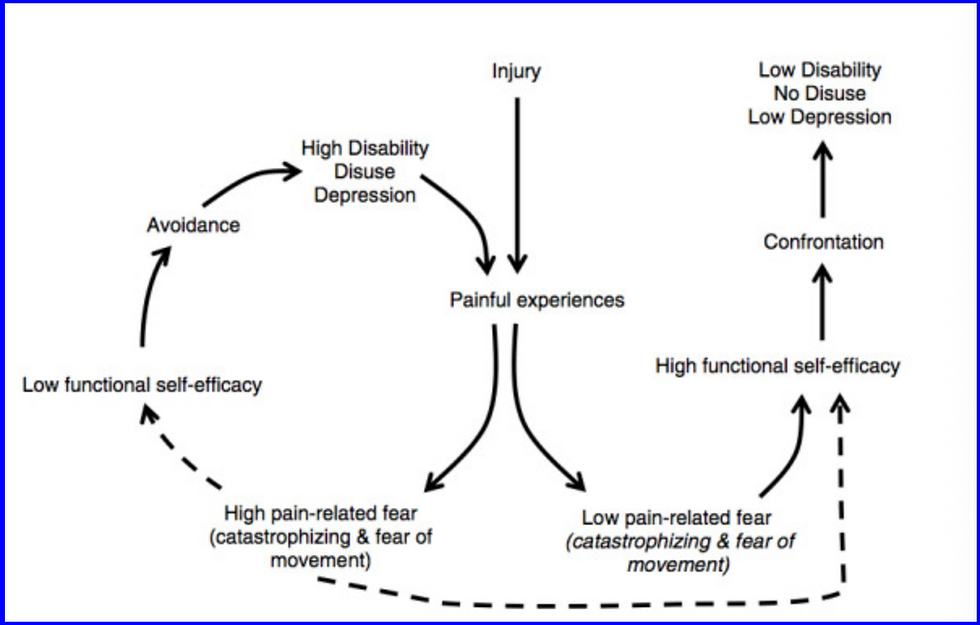

Reframing unhelpful beliefs to constructive, positive behaviour directing thoughts/beliefs is a part of your solution. Often, this requires an empathetic clinician to guide the reframing of your thoughts (Reasons for patient no-shows and drop-offs after initial evaluation in physical therapy).
Recognizing how your beliefs impact your pain is a great starting point.
Listing “good” or “bad” stressors or thoughts about pain and how becoming aware of them and prioritizing thinking or behaving more positively can help people recover and live well with pain, as recommended by these authors (DIM SIMs - Noigroup)
Having optimistic expectations for recovery (Movement Optimism - how we think and feel influences our pain + Role of Patient Recovery Expectations in the Outcomes of Physical Therapist Intervention + Optimism and the Experience of Pain). Optimism as a trait is compelling, as it can also predict age of death (Optimism and Cause-Specific Mortality), cancer-related pain (The Impact of Optimism on Cancer-Related and Postsurgical Cancer Pain), developing cardiovascular disease (Optimism, Cynical Hostility, and Incident Coronary Heart Disease and Mortality in the Women’s Health Initiative + Dispositional optimism and all-cause and cardiovascular mortality), and ensure having a high quality of life (Longitudinal Associations Between Optimism and Objective Measures of Physical Functioning in Women- Neuro Orthopaedic Institute “Noigroup” - YouTube).
“Doing is fixing” beliefs. Making gradual plans and behavioural changes to return to activities you enjoy can directly assist with recovery, rather than being harmful, as some might believe. Being in the "driving seat” of decision-making, rather than being in the backseat with your healthcare professional making the decisions, seems to be helpful for long-term pain relief (Health Locus of Control and Self-Efficacy Predict Back Pain Rehabilitation Outcomes).
Belief in a sense of control or choice of what you should be doing to assist pain reduction (The Influence of the Locus of Control Construct on the Efficacy of Physiotherapy Treatments in Patients with Pain + The association of pain locus of control with pain outcomes among older adults + Relationship between perceived self-control of pain, pain description and functioning + The sting of intentional pain + Pain demands attention: a cognitive-affective model of the interruptive function of pain).
“Pain often does not equal harm,” especially when you have had pain for a long time and have had any of these unhelpful beliefs in the past for any amount of time (Tame the Beast). Instead, your feeling of pain during a movement should be perceived as an overhelpful reminder, rather than a “stop sign,” to decide whether exposure or avoidance of your valued movements is “worth it.” Pain adaptations appear similar to an “over-protective” system rather than a “damage alarm.” The system can become overly good at doing its job, like a sensitive car alarm in a noisy neighbourhood, or a hug that lasts too long (Terminology | International Association for the Study of Pain + Are painful FLARE UPS to exercise just like SUNBURN? + Pain and Perception: A closer look at why we hurt + Dr. Michael Ray - Pain: Exploring the Human Experience + A simple framework to reconceptualize pain and injury treatment - Greg Lehman).
Pain, in a way, will always be confusing. The acceptance of “I will never fully understand my pain” or need to know the “root cause” of persistent pain to live well, is a mindset change found to be helpful for those with persistent pain practising helpful pain resolving behaviour (Thriving when living with pain: A qualitative evidence synthesis of individuals' experiences). Accept your pain rather than “ignore” your pain (as ignoring pain is a form of fear avoidance) and you can have pain without distress or concern, while the chemical effects of your optimism gradually reduce pain intensity in any joint area over time
Remember, we are a long-lived species because change is slow. The impact of these changes becoming “worthwhile” always takes more time than we want.
The final note on reducing negative beliefs involves reducing your exposure to well-intended but outdated, psychologically harmful healthcare professionals. Exposure to non-evidence-based, and poor pain communication from medical help is a significant risk factor for pain persistence (Risk Factors Associated With Transition From Acute to Low Back Pain). Unfortunately, many of our misconceptions about pain have originated from well-intentioned healthcare messaging, prior to the understanding of “hidden” pain mediators like stress, lack of sleep, or illness. Instead of saying “I do not know,” these also confused medical workers might have said your pain is because of your age, gender, “wear and tear,” or simply “nothing can be done”. Such comments can cause thoughts from you like “why try.” Just like squeezed out toothpaste, once said, these comments cannot be put back into the dispenser and forgotten (Avoiding nocebo and other undesirable effects in chiropractic, osteopathy and physiotherapy + Beliefs about the body and pain: the critical role in musculoskeletal pain management + Don't be a nocebo! Why healthcare organizations should value patients' expectations). Avoid or stay sceptical of clinicians who:
Offer “quick fixes” in the form of exercise, massage, needling, injections, and surgery without clearly supporting long-term behaviour helpful for pain relief (Beliefs underlying pain-related fear and how they evolve: a qualitative investigation in people with back pain and high pain-related fear).
Care more about satisfaction and “quick” pain relief than offering the “best” care (Assessing Reactive Approaches to Pain w/ Marc Surdyka + Fenton: The cost of satisfaction).
Offer invasive options like injections, surgery, or electrophysiology, without confidence in the evidence for non-invasive options like improving lifestyle-related pain mediators (Red Flag Rehab Narratives w/ Chris Lefever).
Do not explain uncertainties of predicting complete resolution of pain, which is often most peoples’ goal when seeking care for pain. They might use the words like “just” or “only” when discussing ways to manage or understand your pain. Being exposed to mistakenly certain clinicians promising simple resolution of pain, often leads to a person feeling that “they have failed” as “if I wasn’t helped by an expert, nothing will work” (Beliefs about the body and pain: the critical role in musculoskeletal pain management). There are still many risk factors for persistent pain that are difficult to cope with or modify. This might include the city/suburb you live in, your education level, social discrimination from others, pain behaviour you observe from your parents or close social support and many other factors as shown in the graph at the end of this article (Social Determinants and Consequences of Pain + The biopsychosocial model is lost in translation: from misrepresentation to an enactive modernization). Not discussing the complexity of these hard to modify factors associated with pain resolution can increase thoughts of self-blame common in those with persistent pain (Harmful words: A qualitative survey of pain clinicians’ perspectives on unhelpful messages in pain). “Everything matters when it comes to pain” (Flippin' Pain).
Focus only on “issues in the tissues”, seem to exaggerate and use pessimistic, fear-based words to communicate medical imaging findings. This might include if your previous clinician say things like “You have the …. of a … year old,” or “this is the worst x-ray I have seen” or uses other word/phrases with known harmful effects on pain including "wear and tear”, “tissue damage”, “bone on bone”, “degeneration”, “only rest will help”, “don’t exercise”, “nothing can be done”, “you will likely need surgery or a wheelchair in the future”, “you will have pain the rest of your life”, or who associate pain with a lack of strength saying phrases like “pain is weakness leaving the body” or “getting stronger will FIX your pain” (Sticks and Stones: The Impact of Language in Musculoskeletal Rehabilitation + The perceptions and knowledge of prognosis of physiotherapists in musculoskeletal practice + Unintended consequences: quantifying the benefits, iatrogenic harms and downstream cascade costs of musculoskeletal MRI in UK primary care + Sharma: Clinician and patient beliefs about diagnostic labels + “It’s hard to trust an individual, it’s easier to trust an image”—patients with low back pain want imaging as a means of coping with uncertainty). If your clinicians’ words seem like a “life sentence,” make you scared to exercise in the future, and make you feel fragile or physically vulnerable, seek a second opinion.
Dismiss or invalidate your pain saying “pain is only in the brain” or your pain is “pyscho-somatic” without discussing the many non-dichotomous lifestyle-related pain mediators that could be improved to change your pain experience (A Manifesto in Defense of Pain Complexity: A Critical Review of Essential Insights in Pain Neuroscience + Invalidation of pain: a thematic analysis of pain narratives + Understanding stigma and pain).
Suggest pain science is new. We have known about the effects of our beliefs on pain severity for a long time (Relationship of significance of wound to pain experienced + The biopsychosocial model of pain 40 years on: time for a reappraisal?).

Recent or previous increases in body fat
Traditionally, most know that being overweight is unhealthy. But many do not know how it contributes to increased pain severity independent of body weight. It's not just that more weight equals more stress on us. We struggle to adapt to this extra stress because our fat cells are actually endocrine organs (Adipose tissue as an endocrine organ), releasing hormones and inflammatory cells at a persistent low level. These appear to have similar effects to the chemicals the immune system releases after injury that we often label as “inflammation”, which make a joint/ muscle/ tendon, or bone sore. It's likely that the effects of long-term exposure to increased whole-body inflammation originating from the hormone release from excess stored body fat, reduces the threshold for symptoms being perceived, rather than the historical belief of more weight causing more “wear and tear” (Change in body fat, but not body weight or metabolic correlates of obesity, is related to symptomatic relief of obese patients with knee osteoarthritis after a weight control program + Predictors for neck and low back pain in office workers). We also know that reducing fat mass and its related inflammation without decreasing body weight through exercise is still also beneficial for pain reduction (Osteoarthritis related joint pain management). Recognize any unhelpful thoughts about why increased body weight is bad (“more stress on your joints”) and embrace newer thoughts like reducing whole-body inflammation with exercise, as well as good nutrition, which can be helpful for pain resolution, whether or not weight loss is a goal. Also, the lifestyle changes you make to lose fat (exercise, sleep and stress reductions) can also improve pain on their own (The importance of nutritional factors on the road toward multimodal lifestyle interventions for persistent pain + Personalized Multimodal Lifestyle Intervention as the Best-Evidenced Treatment + Dietary Interventions Are Beneficial for Patients with Pain).
The lifestyle contexts associated with weight gain are also associated with reduced size of muscle mass, which itself might not be helpful for minimising pain. Muscle is a significant pain-relieving hormone producer (Update on the role of muscle in the genesis and management of knee osteoarthritis + Elucidation of the mechanisms of exercise-induced hypoalgesia and pain prolongation due to physical stress and the restriction of movement + The effect of exercise on cytokines: implications for musculoskeletal health). When muscle mass increases with exercise, you will likely have lower pain levels over time, tolerate pain flare-ups better but also have less chance of developing other lifestyle related conditions like high blood pressure (Evidence of causal effects of blood pressure on back pain), increased blood cholesterol (Dietary Cholesterol is Associated with Increased Pain Sensitivity in Individuals with Chronic Low Back Pain) and poor blood sugar control (Is there an association between diabetes... - Google Scholar), all of which are related to increased pain levels.
However, be mindful that increased hunger and low energy intake from food during weight loss can also exacerbate the volume of pain, likely due to increased irritability, reduced mood, and sleep disturbances that are common during weight loss periods. The trade-off between the weight loss's effect on reduced full-body inflammation and pain is a short-term disturbance in mood and sleep-related pain mediators. However, in the long term, the effects of improving body composition enough, will ‘snowball’, overriding any short-term increase in hunger and fatigue-related pain mediators, causing a helpful amount of pain relief (Dietary strategies to attenuate muscle loss during recovery from injury + Hunger increases negative and decreases positive emotions + Interfacing Pain and Hunger + Measuring Body Composition).
Previous or Current Illness
You might wonder why, when you have the cold or flu, your joints ache. Well, the same immune system that resolves sickness influences symptoms of pain or stiffness during movement. When your immune system is highly active, pain flare-ups can also increase in severity or be triggered even weeks after your sickness has resolved (Pain and immunity: implications for host defence + Signaling at neuro/immune synapses + The pain of being sick: implications of immune-to-brain communication for understanding pain + Understanding the symptoms of the common cold and influenza + Post-Viral Pain, Fatigue, and Sleep Disturbance Syndromes: Current Knowledge and Future Directions). Examples that many might be more aware of are post-polio or shingles, where a previous illness becomes “dormant” but can become activated, often seemingly due to increased lifestyle stress, causing symptoms again (Inflammation and Reactivation of Latent Herpesviruses in Older Adults). Neuro-immune adaptations associated with pain that developed years ago may not be fully resolved and can be reactivated by illness, stress, or more often a combination of many mediators of pain (Delayed onset and resolution of pain).
Another way to think about this is in terms of allergies. An adaptation occurs during the immune system's response to a change in the body's environment that reduces its threshold for sensitivity in the future, while also seeming to react. The more you get stung by a bee, the closer you get to becoming allergic. Sickness and/or pain itself have a similar effect on future pain symptoms (The autoimmune aetiology of unexplained pain).
Lifestyle habits that reduce risk of illness also seem to help alleviate or reduce yearly pain flare-ups.These habits include exercise, good sleep, and nutrition. They likely improve your immune system, increasing your tolerance of stressors before reaching the threshold that triggers a pain flare-up (Effects of Regular Physical Activity on the Immune System, Vaccination and Risk of Community-Acquired Infectious Disease in the General Population + Lifestyle risk factors, obesity and infectious disease mortality in the general population: Linkage study of 97,844 adults from England and Scotland + Nutrition & Immune Function | Sigma Nutrition + The Common Cold Barbell Medicine podcast). This is the case for aiming to improve or maintain good general health, as well as reducing the risk of illness, particularly when considering the impact of an unhealthy immune system on pain occurrence.
Change in Sleep
Poor sleep contributes to increased immune and stress-like adaptations across your whole nervous system that can trigger pain flare-ups (Treating musculoskeletal conditions with a bit of exercise and manual therapy: are you kidding me? It’s time for us to evolve again, and we explore the bidirectional (association between musculoskeletal pain and sleep-related problems) and contribute to pain “spreading” (Insomnia is a risk factor for spreading of pain) or persisting (Effects of sleep changes on pain-related health outcomes in the general population). This may be why changes in sleep habits, such as plane flights, new beds, or a change in sleep schedule, can trigger pain flare-ups due to the adverse effects of poor sleep. Lack of sleep can also influence the development of other conditions, such as weight gain and illness, and reduce mood, which we have discussed as independently contributing to pain (Associations of Comorbidities in Low Back Pain + Are sleep problems and non-specific health complaints risk factors for pain? 17 year follow-up). When pain reduces sleep quality, a cycle of poor sleep and more pain is created, a complex chain to break (Sleep Disturbances as a Sequelae of Pain + The Interrelationship between Sleep and Pain in Adolescents)
Poor sleep on its own is also the reason for reduced recovery from exercise and reduced ability to lose fat, indirectly affecting lack of exercise recovery (The effect of acute sleep deprivation), weight gain (Insufficient sleep undermines dietary efforts to reduce adiposity + Influence of Sleep Restriction on Weight Loss Outcomes Associated with Caloric Restriction + Sleep health education on body composition changes following 10 weeks’ resistance exercise) and increased risk of injury (Lack of sleep is associated with increased sports injuries in adolescent athletes + Sleep and Injury Risk), which all can influence future pain flare ups.
Sleep quality influences positive promotion of good immune health, tolerance to stress and mood so sleep deprivation affects multiple mediators of pain (The association of sleep and pain: An update and a path forward + Sleep and pain: recent insights + Sleep habits and susceptibility to the common cold + Stress and Sleep Disorder).
“What about sleeping position? Can I sleep wrong?”
Instead of reduced sleep quality causing a pain flare-up, some might believe that sleep position, a particular mattress, or pillow qualities cause pain flare-ups. Often, this can be true when current lifestyle factors, such as low weekly physical activity, high stress levels, previous poor sleep, or body weight gain, reduce your tolerance to new sleeping changes. I.e, it's not the sleeping position itself but your poor ability to tolerate any prolonged positions. However, in the long term, you should be able to adapt to any sleeping position. Often, our first perception of pain flare-ups is in the morning, after our body has had hours to create whole-body compounding effects that have developed over time and continue at night (Circadian control of pain and neuroinflammation). The timing of increased pain after waking, combined with a lack of awareness about the common occurrence of spontaneous pain, can lead to misattributing pain to sleeping position (What Triggers an Episode of Acute Low Back Pain? A Case–Crossover Study + Inciting Events Associated with Lumbar Disk Herniation). Most of our negative sleep-related messages are reinforced by media and sleep product advertisements, which serve as a powerful tool to increase product consumption (Sleep myths: An expert-led study to identify false beliefs about sleep that impinge upon population sleep health practices + Examining understandability, information quality, and presence of misinformation in popular YouTube videos on sleep compared to expert-led videos + False beliefs about sleep and their associations with sleep-related behavior + I want to believe: Prior beliefs influence judgments about the effectiveness of both alternative and scientific medicine). Here are some research hints to support not being concerned about sleeping position:
There is no “best sleeping position,” “best pillow,” or “best mattress” recommendation for the “average” person (What is the Relationship Between Sleep and Pain? - YouTube + Identifying relationships between sleep posture and non-specific spinal symptoms in adults + The effects of pillow designs on neck pain, waking symptoms, neck disability, sleep quality and spinal alignment in adults + Effect of different pillow designs on promoting sleep comfort, quality, & spinal alignment + What is an 'optimal' spinal position during sleep? A systematic review).
Supposed “unsafe” sleeping positions can be associated with fewer waking symptoms rather than more (Is sleep position associated with glenohumeral shoulder pain and rotator cuff tendinopathy).
Pillows that improve comfort do not keep the neck in “safe” positions. Just as with footwear, choose pillows based on perceived comfort rather than marketing claims of “safe” movement restriction (The effects of pillow designs on neck pain, waking symptoms, neck disability, sleep quality, and spinal alignment in adults + Pillow use: the behaviour of cervical pain, sleep quality and pillow comfort in side sleepers).
“Bad” sleeping position beliefs are based on outdated notions that our body is like a machine, and joints can’t adapt to specific movements. Your neck, back, shoulders, and hips are not Jenga blocks or a house of cards that need perfect positioning to stay upright and painless (Getting out of neutral: the risks and rewards). You can likely adapt to a broad range of common sleeping positions (There Is NOT A Best Sleeping Position For Back | Neck | Hip | Shoulder Pain).
Can you sit in one position for 7 to 9 hours without feeling the need to move? Of course not, yet we often think of our sleep position in this way. It is normal to adjust your sleeping position multiple times each hour while sleeping, despite “waking up in the same position you went to sleep in” (Sleep positions and position shifts in five age groups: an ontogenetic picture + Sleep positions and nocturnal body movements based on free-living accelerometer recordings).
Movement restriction during sleep reduces sleep quality, despite intuitively keeping you in a “safe” position. Apart from movement and noise-related disturbance, this might be why sleeping with others or with animals is related to poor sleep health (Co-sleeping with pets, stress, and sleep + A Multispecies Approach to Co-Sleeping).
In some conditions, morning pain is normal as a regular reflection of immune activity, being more easily felt (The circadian clock regulates inflammatory arthritis + Osteoarthritis in over 16s: diagnosis and management NICE). This might explain cases where people “wake up with pain” and mistakenly blame it on a single trigger like sleeping positions, rather than these symptoms being inevitable regardless of sleeping position. Similarly, we “wake up” with muscle soreness days after exercise, but don’t blame that on sleeping position.
Concern about sleeping position (The effects of instruction regarding sleep posture on the postural changes and sleep quality) or sleep in general, called “orthosomnia” (Orthosomnia: Are Some Patients Taking the Quantified Self Too Far?), and expectation that sleeping positions cause pain (How expectations shape pain + Expectations and anxiety as mediators of placebo effects in pain + The subjective experience of pain: where expectations become reality), reduce sleep quality which can contribute to worsening pain.
Sunburn makes normally harmless and comfortable hot water uncomfortable during showering. Likewise, sleeping on a sore spot can be uncomfortable, but it's not necessarily "harmful" or going to make future pain worse each night when repeated.
“Why do I have pain at night, then if it is not my sleeping position?”
A couple of potential causes are separate or contribute to each other here:
Adaptation in painful joints, which contributes to a lower threshold for pain from movement or pressure (pain lying on the sore joint), is activated by melatonin, which increases at night (Melatonin plays a Role as a Mediator of Nocturnal Pain).
Blood flow and blood pressure are lowest at night. Hypoxia, or reduced blood flow to a sensitive area, may be a contributor to increased pain at night. Your body's natural inflammatory systems have a circadian rhythm, similar to most bodily systems, that can influence increased pain perception at night (Circadian control of pain and neuroinflammation).
No distractions. You are alone with your thoughts at night, which might give you time to become aware of a painful joint after a day of distractions. You can counter this with finding distractions to relax and get back to sleep (Can Slow Deep Breathing Reduce Pain? + Psychologically informed physical therapy for musculoskeletal pain).
Getting good quality sleep can be the most important thing to work on to improve pain or reduce the risk of future pain (Increasing pre-surgery sleep reduces post-surgery pain and analgesic use following joint replacement). Be careful not to be too concerned about sleeping position, as “paralysis by analysis” can lead to movement fear, increased concerns, and worsening sleep quality, creating a vicious cycle that contributes to future pain flare-ups. This sleep health and habits article should help you identify and address factors that may be impacting your sleep and sleep-related pain.
Low general weekly physical activity/exercise
Many who seek physiotherapy care expect to be given “specific” exercise to help resolve their pain, fatigue, or stiffness concerns. Although exercise that “feels” specific to your needs and goals can be more predictive for reducing pain than an “exercise printout” (Effectiveness of Specific Neck Exercise for Nonspecific Neck Pain + Specific versus Non-Specific Exercises for Neck or Shoulder Pain + How do people with low back pain perceive specific and general exercise?), being generally active by meeting and exceeding the Australian Physical Activity Guidelines each week has protective and pain-reducing effects for likely all painful conditions (When are specific physical interventions needed to treat pain? — Greg Lehman + Association of activity with the risk of developing musculoskeletal pain + Dr. Roderick Henderson - Making Sense Out of Exercise and Pain + Exercise therapy for chronic musculoskeletal pain: Innovation by altering pain memories). Just having more knowledge about pain does not prevent having persistent pain. Even pain coaches need to “walk the talk” to experience the pain-relieving and pain-protective effects of physical activity (Education about pain and experience with cognitive-based interventions do not reduce healthcare professionals’ pain).
Low weekly physical activity of any kind predicts the onset of new and worsening pain (Association of Activity with the Risk of Developing Musculoskeletal Pain + Physical inactivity is the most critical unhealthy lifestyle factor for pain severity in older adults with pain: A SHARE-based analysis of 27,528 cases from 28 countries).
Comprehensive strength training of all your body parts is protective of a range of injuries that could contribute to persistent pain experiences (Trunk muscles strength as a risk factor for nonspecific low back pain: a pilot study + The effectiveness of exercise interventions to prevent sports injuries).
Increasing aerobic fitness reduces the risk of future injury (Preseason Aerobic Fitness Predicts In-Season Injury and Illness in Female Youth Athletes).
Continuing general tolerable exercise modalities and continuing day to day living despite pain can also help alleviate current pain (Running is acceptable and efficacious in adults with non-specific low back pain + Randomized controlled study of bed rest and physiotherapy for acute sciatica + The effect of the stay active advice on physical activity and on the course of acute severe low back pain).
Delaying return to general weekly exercise delays recovery and increases disability with most pain conditions (Overcoming Movement-Evoked Pain to Facilitate Postoperative Recovery - PMC + Toward a Transformed Understanding: From Pain and Movement to Pain With Movement).
General exercise or exercise of non-painful joints can have pain-relieving effects (Exercise-induced hypoalgesia after acute and regular exercise + Hypoalgesia after exercises with painful vs. non-painful muscles + Mechanisms of Exercise-Induced Hypoalgesia + How does physical activity modulate pain? + The Role of Physical Exercise in Chronic Musculoskeletal Pain).
Exercise appears to be beneficial in reducing yearly frequency and severity of pain recurrence or flare-ups of any body region, that seem to be normal for most humans, like getting a cold or flu once or twice a year (Effectiveness and cost-effectiveness of an individualised, progressive walking and education intervention for the prevention of low back pain recurrence in Australia (WalkBack) + Prevention strategies to reduce future impact of low back pain: a systematic review and meta-analysis + Buy-in for back pain : does individualization matter? + Pain sensitivity is reduced by exercise training). Remember, when minor and infrequent, flare-ups should not be interpreted as “setbacks”, rather, as a part of the normal biological resolution of most pain conditions (Recurrence of low back pain is common: a prospective inception cohort study - PubMed).
Don’t be concerned if your chosen other exercise is “high intensity.” Numerous studies have demonstrated that light-intensity exercise is less effective than high-intensity exercise in alleviating musculoskeletal pain (Association between lifestyle and musculoskeletal pain).
Increasing physical activity also improves other pain mediators like sleep, body fat, stress, movement confidence, and risk of illness, reducing their potential to contribute to pain flare-ups (Are physical therapy interventions effective in improving sleep in people with pain? + The mechanisms behind the success of poking into pain + Physical Activity as a Central Pillar of Lifestyle Modification in the Management of Musculoskeletal Pain + Exercise therapy and physical activity in the paradigm shift from a tissue- and disease-based pain management approach towards multimodal lifestyle interventions for pain + How does exercise help pain with Ben Cormack + Exercise and clinical reasoning).
Hopefully, this helps you justify staying generally active each week to help promote pain resolution and reduce frequency of pain flare-ups. Completing the types of weekly exercise at a dosage recommended within the Australian Physical Activity Guidelines can be just as beneficial as seeking the “best” exercise for your pain (Meeting physical activity guidelines is associated with lower allostatic load and inflammation).

Overall, often before you need to be too concerned about “issues in the tissues”, choosing to focus on lifestyle factors that improve stress coping, pain beliefs, illness resilience, body fat percentage, sleep quality, and weekly physical activity is equally or more effective for recovering from pain flare-ups than other promised quick fixes (Exemplary medical care or Trojan horse? An analysis of the ‘lifestyle medicine’ movement). Yes, these pain mediator lowering habits might take longer to become consistent, and may not offer the exact short-term resolution” that “just getting a rub” might. We can live so long because changes in our body occur slowly, so the impact of these changes becoming “worthwhile” always takes more time than we want. However, we hope this article helps make sense of why pain is so common and challenging to “prevent” due to having so many complex mediators, and gives you some more options to “empty your cup” or/and “make your cup bigger” to help manage your current pain or future pain flare-ups.

To wrap it up, pain has confusing and life changing effects. One of the biggest barriers to researching and explaining pain is that everyone has their own differing experience and meaning of pain. No-one else will ever fully understand your pain experience and will likely interpret your statements by their own criteria. Importantly though, this is okay. It's more important for you to be comfortable with what you mean by having “pain” and to be aware of the many modifiable pain mediators that you can influence without input from a clinician, to help resolve the suffering associated with persistent pain or any of its associated symptoms. Having pain throughout your life is part of being human, can be reversed in persistence or severity, and just like hunger, anxiety, and fatigue, do not have to stop you living well. Aiming to always live pain free is not a helpful goal, just like aiming to never be hungry, tired or anxious. The messy and confusing system of neuro-immune adaptations that aim to detect a potential for threat and signal that to us through pain, has kept humanity alive for hundreds of thousands of years (Threat Response System: Parallel Brain Processes in Pain vis-à-vis Fear and Anxiety). However, it is reasonable that sometimes we need some help understanding how to lower the contents of our flare-up cup or to make our flare-up cup “bottomless.”

See our Persistent Pain Resources page for more resources on understanding what influences your pain.


Comments