Women's Health
Updated: 4 days ago
Common Exercise Questions About Women's Health
This article is a living document that answers, as simply as possible, the most common questions our members ask about women's health. This article will expand over time as more answers to others questions are asked for.
A quick note on the respectful distinction between sex and gender. Sex and gender are two distinct concepts that have not been used interchangeably in this article but confusingly have been used interchangeably across a lot of research. As stated perfectly to distinguish gender versus sex:
““Sex” generally refers to the distinction between females and males based on reproductively relevant differences in chromosomes, primary and secondary sex characteristics, and endogenous hormonal profiles. “Gender” can refer to several things, including one’s self-perceived identity as a woman, man, or otherwise – a trait, which is at least partly biologically based and inherent to a person; one’s outward expression of one’s gender identity – in terms of one’s appearance and other behaviours; and the role one is expected to play in society based on one’s sex or gender identity – the specifics of which can vary across sociocultural circumstances” (International society of sports nutrition position stand: nutritional concerns of the female athlete).
We respect that gender means different things to different people. Throughout this article, we do not intend to be perceived as simplifying humans to their only biological sex or gender, and we encourage continued conversation on the meaning and definitions of gender and sex (There Are More Than Two Human Sexes). However, most exercise science focuses on the physiological differences between sexes, because gender often has minimal impact on performance and health, when muscle mass between each person is equal (The Biological Basis of Sex Differences in Athletic Performance: Consensus Statement + Sport and transgender peopler + Armstrong: Performance of non-binary athletes + Perspectives for Progress Sex Differences in Athletic Performance: Perspectives on Transgender Athletes + Strength, power and aerobic capacity of transgender athletes). Some argue for using the terms sex and gender interchangeable in specific areas of science, such as in a movement skill research setting “because gender and sex have been considered nearly inseparable in neuropsychology and therefore it is difficult to purely assess biological sex differences that have implications for motor behavior” (Exercise and Sport Science Failing by Design in Understanding Female Athletes).
Therefore, as this article explores exercise and health-related sex differences, to be consistent, we will mostly use “female” and “women“ as a sex term when discussing differences, if any, between sexes. In future editions, we hope to expand our health advice to tailor to different genders, when more research elaborates on the importance of this to improve health knowledge and reduce social stigma. The remaining discussion outlines questions commonly asked where sex differences are felt as a reason to make exercise and health decisions.
“All current research quality on women is poor due to sex neglect/bias/stereotypes?”
Sex bias historically and currently has significantly reduced the quantity and quality of research on women's health, exercise, nutrition, medical training, and education settings (Sport, exercise and the menstrual cycle: where is the research? + Auditing the Representation of Female Versus Male Athletes in Sports Science and Sports Medicine Research: Evidence-Based Performance Supplements + Myths and Methodologies: Reducing scientific design ambiguity in studies comparing sexes and/or menstrual cycle phases + Methodological Considerations for Studies in Sport and Exercise Science with Women as Participants: A Working Guide for Standards of Practice for Research on Women + “Invisible Sportswomen”: The Sex Data Gap in Sport and Exercise Science Research + Where are all the female participants in Sports and Exercise Medicine research? + Auditing the representation of female versus male athletes in sports science and sports medicine research + Nutrition for female athletes: What we know, what we don't know, and why - PubMed + Women Aren¿t Supposed to Fly: The Memoirs of a Female Flight Surgeon + Talking About Women In Science - The NAF Physio Podcast - Apple Podcasts + Gender bias in academia: a lifetime problem that needs solutions + The unspoken reality of gender bias in surgery + A review of the historical use of sex as a biological variable + Underrepresentation of women in exercise science and physiology research is associated with authorship gender).
This does not mean “everything is different” between males and females in terms of making exercise and nutrition decisions. Previously “popular” books, such as “Men Are from Mars, Women Are from Venus” have been thoroughly criticized for publishing outdated views on sex differences, unfortunately still thought of today (A critical response to John Gray's Mars and Venus portrayals of men and women + Men Are From Mars, Women Are, Ummm, Also From Mars + Re-Conceptualizing “Sex” and “Gender” in the Human Brain | Zeitschrift für Psychologie). Hopefully this article has helped make clear to
1) be careful of confidence and popularity in information being assumed as accuracy in information
2) mistaking the first results on Google as the most accurate but actually just the most popular as influenced by web search algorithms, and
3) see that while less research has been done on women, lots has still been done.
There are multiple areas where millions of female participants have been studied to strongly suggest that difference in sexes is often not necessary to make meaningful decisions about health and exercise. Yes, “women are not small men.” However women are also not “mice.” Be careful of people who use the “lack of research in women” to sell or promote a sex-specific opinion about a training or nutrition strategy with confidence using only theory and “mouse studies” (Women's Fitness Myths, Cycle Syncing, & Fasted Cardio DEBUNKED with Dr. Lauren Colenso-Semple). Meaningful exercise and health principles are often equally helpful for both sexes, and often confidence in sex-specific advice is not founded by strong evidence. Although most are well-intentioned, strong opinions that sound “sciency” about sex-specific rather than individual-specific advice can create more confusion and fear-mongering about exercise and nutrition, dis-empowering women, rather than its intention to empower women.
Strong opinions on sex differences being very different might also be a barrier for more health science being completed. This is due to historical research beliefs that completing research with women is “too hard” due to large perceived differences between males and females, which has been argued is not true. This article will be updated if the consensus changes after updates of the increasingly funded science on human women's health.
“Females grow muscle slower than men, right?”
Actually, women and men show similar responses when given the same strength-training protocol across all repetition ranges (Sex differences in absolute and relative changes in muscle size following resistance training in healthy adults + Sex Differences in Resistance Training + Biological Sex Differences in Absolute and Relative Changes in Muscle Size following Resistance Training + Skeletal muscle adaptations during early phase of heavy-resistance training in men and women + Sex differences in resistance training + Narrative Review of Sex Differences in Muscle Strength, Endurance, Activation, Size, Fiber Type, and Strength Training Participation Rates, Preferences, Motivations, Injuries, and Neuromuscular Adaptations). Sex is a factor to consider when designing an exercise/sport training program but is not the factor.
“But testosterone?” Testosterone influences changes in muscle mass and quality during and immediately post-puberty independent of sex or exercise participation, but does not predict who will grow more muscle or strength in response to strength training. Normal levels of testosterone naturally made and released in the body of both sexes after exercise, rather than injected above normal (Testosterone dose-response relationships in healthy young men + Anabolic-Androgenic Steroid Use in Sports, Health, and Society), do not explain responses to strength training or predict future muscle gain in either sex (Circulating Testosterone as the Hormonal Basis of Sex Differences in Athletic Performance + Biological Sex Differences in Absolute and Relative Changes in Muscle Size following Resistance Training in Healthy Adults + Hormones, Hypertrophy, and Hype).
We also know that the hormone profile in females has little impact on response to strength training, as:
1) differences in hormones across the menstrual cycle do not predict responses to strength training (Menstrual cycle phase does not influence muscle protein synthesis or whole-body myofibrillar proteolysis in response to resistance exercise),
2) women using and not using hormonal contraceptives have similar responses to the same training protocol (The Effect of Hormonal Contraceptive Use on Skeletal Muscle Hypertrophy, Power and Strength Adaptations to Resistance Exercise Training) and
3) going through menopause with or without hormone therapy (see the menopause section later for more) does not influence response to strength training on average (Sex Differences in Adaptations in Muscle Strength and Size Following Resistance Training in Older Adults + Evaluation of sex-based differences in resistance exercise training-induced changes in muscle mass, strength, and physical performance in healthy older (≥60 y) adults).
Aerobic exercise adaptations are also not significantly influenced by sex (Effects of Exercise Training on Mitochondrial and Capillary Growth in Human Skeletal Muscle).
Overall, males tend to start larger and get stronger using absolute values, but relative values of change in response to strength training are equal on average between the sexes of the same age and bodyweight.
For example, we expect a 30-year-old female to start with a current 30 kg barbell squat and achieve an absolute increase of 10 kg or a relative increase of 30% in strength over 10 weeks. A male who starts with a 60kg squat could increase his squat strength by 17kg over the same timeframe, which is also a 30% increase from his starting point. The absolute values are larger, but it is the same relative increase.
Perceived social and sex norms discussed in the sections “As a female, am I more at risk of injuries than men” and “Menopause myths” later, will explore the main reasons females may often think they would not respond the same to strength training programs compared to males.
“Will lifting weights make me bulky?”
Will running to the Australian Physical Activity guidelines turn you into a marathon champion? Driving to work and back each day won’t turn you into a professional race driver. Reading our physiotherapy articles on our website doesn’t turn you into a physiotherapist. Just as with males, muscle growth from lifting depends strongly on the weekly dosage over the years, rather than just recreational participation, even when exceeding the Australian Physical Activity guidelines (More Training, More Gaining: Everything You Need to Know About Training Volume + Mechanisms of mechanical overload-induced skeletal muscle hypertrophy + An Evidence-Based Narrative Review of Mechanisms of Resistance Exercise–Induced Human Skeletal Muscle Hypertrophy).
Interestingly, the same women might hold two seemingly contradictory views: that lifting will make them very muscular with little effort, but that they won't respond as well to exercise as men do. “Looking like a man” is a common concern among women. Unfortunately, this is barrier for why many women do not want to lift weights at all (Motivational Factors and Barriers Towards Initiating and Maintaining Strength Training in Women + Narrative Review of Sex Differences in Muscle Strength, Endurance, Activation, Size, Fiber Type, and Strength Training Participation Rates, Preferences, Motivations, Injuries, and Neuromuscular Adaptations).
We would challenge the idea that not wanting to look too bulky is driven by the effects of previous negative body image beliefs from unhelpful perceived sex norms or in response to harmful comments from males and other females about your appearance. The body image goal to not look bulky is a protective response to not wanting to receive these hurtful comments, which along with other health impacts these comments can have, are discussed in the “As a female, am I more at risk of injuries than men” section later, and not based on knowledge of the benefits of having “too much” muscle. Strength training and higher muscle mass for your age are associated with living longer and better overall health, so having too much muscle is a recommended “problem” to have (see graph below). No 90-year-old female has ever complained of having too much muscle and strength.


(The Female Strengthspan: A Life Course Perspective on Resistance Exercise) “Making resistance exercise a normative, accessible, and essential component of women’s health promotion is a critical step toward expanding the female strengthspan, promoting longevity and advancing health equity for future generations.”
Ok, so you’ve read all of this and are still concerned about becoming “bulky?”
Some women claim they can build muscle relatively easily, which is likely true for the fortunate ones of either sex. There are individuals of both sexes who respond well to strength training (Heterogeneity in resistance training-induced muscle strength and mass responses in men and women of different ages). There is also some evidence that women can become relatively stronger than men after a similar training protocol (9 Reasons why women should not train like men) and require less rest between sets of the same difficulty during strength training, potentially due to small differences in muscle fibre types between women and men (Sex differences in human fatigability: mechanisms and insight to physiological responses). Women have been measured to have a greater mood elevating response to aerobic exercise compared to men, motivating a positive feedback loop to prioritise aerobic training over strength training (Sex-Related Differences in Mood Responses to Acute Aerobic Exercise) Comparing your better responses to exercise with a male training partner, which is understandable, might raise concerns about not wanting to lift as much or not becoming more muscular than you would like to appear. However, there are multiple ways to reduce the risk of becoming “bulky,” as explained next, and greater increases in muscle mass compared to males might be due to the average woman being less experienced with progressive strength training, especially in the upper body. Compared with novice strength trained men in research studies, novice strength trained women appear to experience faster gains than women or men with more training experience (Sex Differences in Resistance Training + Sex-based Training Recommendations: Evidence-based or Hype? - David Nolan, PhD | Sigma Nutrition).
Also, remember that fat loss, when combined with strength training, can lead to the appearance of leanness or “toning,” which you might interpret as bulk, but is just your body composition improving (Can you gain muscle and lose fat at the same time? + Measuring Body Composition).
Performing 10 repetitions with a heavier weight than a lighter one will burn more energy, which may help you achieve your fat-loss goals.
As lifting weights has similar effects on muscle gains between the sexes, the same advice can be given to both females and males seeking exercise benefits without significant muscle gains (Resistance Exercise Minimal Dose Strategies for Increasing Muscle Strength in the General Population).
Keep sets of strength training for the concerned body part to no more than 4 per session.
Avoid weight gain.
Avoid performance-enhancing drugs.
Ensure you complete the other modes of exercise recommended in the Australian Physical Activity guidelines, which can help you reap the benefits of strength training while potentially reducing muscle gain.
“Should I plan my exercise/sport training around my menstrual cycle?”

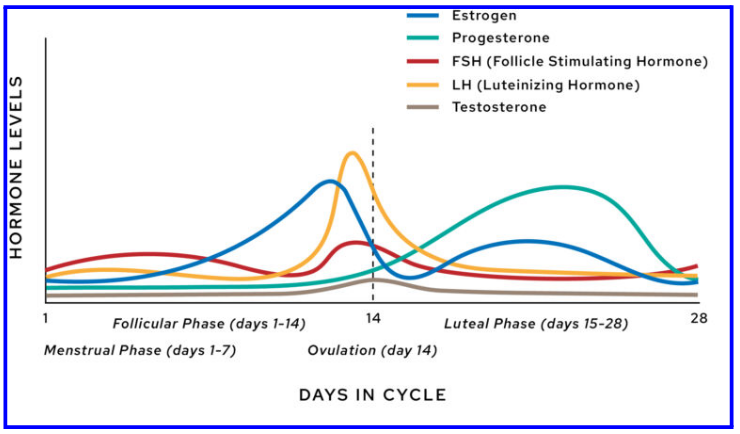
You may have heard, or be curious about, whether hormone changes throughout the menstrual or ovarian cycle directly affect your ability to adapt to exercise, independent of how they might affect subjective symptoms such as mood and fatigue. A theoretical belief is that performing different types of training in each half of the menstrual cycle, due to fluctuations in sex hormone levels, particularly oestrogen, would be more effective than autoregulating training based on how you feel before and after a warm-up. Many might just think that testosterone is the only sex hormone affecting performance while some coaches might have seen research examples of changes in strength (The Influence of Menstrual Cycle Phases on Maximal Strength Performance in Healthy Female Adults), stored fat or carbohydrate utilisation for exercise energy (Glucose kinetics and substrate oxidation during exercise in the follicular and luteal phases), muscle gain signalling, potential injury risk (Effect of Estrogen on Musculoskeletal Performance and Injury Risk) or overall performance (The Effects of Menstrual Cycle Phase on Exercise Performance in Eumenorrheic Women + Does ovulation affect performance in tennis players?) during specific times of the menstrual cycle and with well-intended wishes, emphasize increasing or reducing training volume or changing training modes at specific times of the cycle. These examples of performance changes in different stages of the menstrual cycle have been thought to be due to the actions of which sex hormone is predominant, as measured in animal studies, theoretically during your known half of the menstrual cycle you are in as shown in the graph. For example, times of the menstrual cycle when oestrogen is highest could increase performance by positively affecting muscle growth and strength mechanisms (Mechanisms Behind Estrogen's Beneficial Effect on Muscle Strength + How the loss of estrogen impacts muscle strength), while times of the menstrual cycle when progesterone is highest, +/- oestrogen being low have shown negative effects on performance factors such as increasing fatigue (Effects of ovarian hormones on cortical excitability), reducing muscle growth mechanisms (Hormones, Hypertrophy, and Hype: An Evidence-Guided Primer on Endogenous Endocrine Influences on Exercise-Induced Muscle Hypertrophy), reduced ability to use carbohydrates during exercise which could reduce ability to exercise maximally at high intensities (Influence of hormonal status on substrate utilization at rest and during exercise in the female population). Again, sex hormone effects measured from animals were thought to affect different performance factors in human women when high during each half of the menstrual cycle.

Theoretical changes across the menstrual cycle to guide what you might have heard (Sex differences and considerations for female specific nutritional strategies).
So, should you plan your endurance or strength training according to which half of the menstrual cycle you are in and therefore which female sex hormone is dominant, based on what we have seen in animal studies? And do your sex hormones directly affect your ability to adapt to exercise, independent of your symptoms, and is it worth planning your training around?
The short answer is no, as the influences of each predominant sex hormone might cancel each other out across the menstrual cycle, resulting in no real large effect on any performance marker. Taking an individualized, flexible approach to daily exercise training is the most practical approach to help take control of performance and health outcomes of regular exercise. Before we expand on this answer, let's review what a “regular” menstrual cycle is which defines a “eumenorrheic” female, and why menstrual cycle training decisions are always tricky to answer honestly (Methodological Recommendations for Menstrual Cycle Research in Sports and Exercise + Why We Must Stop Assuming and Estimating Menstrual Cycle Phases + Measure do not guess: a call to action to end assumed and estimated menstrual cycle phases in research + Resources to Guide Researchers in the Pursuit of High-Quality Sport Science Research in Women + Myths about your period | Jen Gunter, Md).

Brief anatomy to guide understanding of a menstrual cycle (Link)
A “normal” menstrual cycle:
The start or day 1 of the menstrual cycle, as shown in the graphs below, begins with the follicular phase (f for follicular, f for first stage of the menstrual cycle), which begins with menstruation, also known as a “period” or the periodic shedding of the uterine wall (shown in graph above), typically associated with the onset of blood loss experienced by women at this time. The sex hormones oestrogen and progesterone are both low at this time.
Across the follicular phase, the uterine wall thickens, due to the communication between the daily increasing oestrogen and stable amounts of another sex hormone, follicle stimulating hormone. Then when oestrogen levels are high enough, luteinising hormone peaks (which emergency contraceptives like Plan B try to block) and signals an oocyte or “egg” (or multiple for having non-identical twins, triplets) of the 100,000s you were born with, developed by a follicle within either ovary, matured across the menstrual cycle to be released from its ovary at “ovulation.” This marks a general midpoint of the menstrual cycle, end of the follicular phase and the start of the luteal phase. Oestrogen, luteinising and follicle stimulating hormones levels drop within days after ovulation.
The mature oocyte or oocytes travel/s down either follicular tubes over 3-4 days to attach to the thickened uterine wall. The hormone progesterone largely, and oestrogen slightly, increases across the luteal phase to support the matured embryo development on the uterine wall if the egg is fertilised. The average female's core body temperature also rises slightly during this phase of the menstrual cycle. If conception has not occurred, progesterone reduces, signalling changes in the the uterine wall lining to shed and discharge out of the vagina, along with the unfertilised oocyte across multiple days, marking the start of the next follicular phase and new menstrual cycle.
Some different ways the simplified menstrual cycle is depicted. Let us know which one you like the best.

(Link)
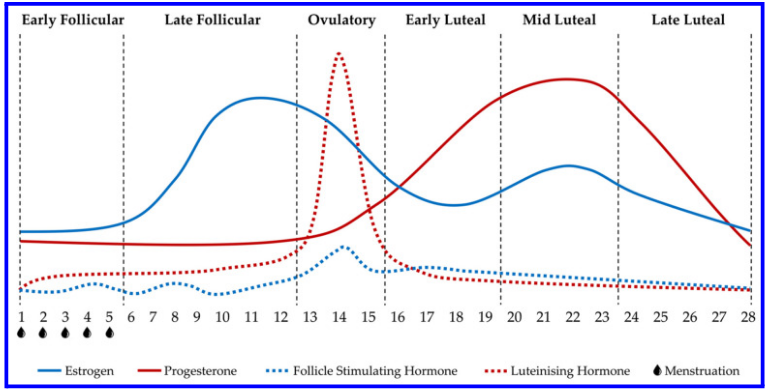
Problems with planning training around your menstrual cycle, if not already recognised by the variability in the graphs above
The “phases” are not separate but begin and develop within each other. Rigid descriptions of the timelines and the sex hormones most abundant during a certain time are given for simplicity but does not accurately describe ‘real life menstruation biology.
There is a very normal variability in cycle length between most females.
Accurately assessing your current position within a menstrual cycle requires weekly or daily blood testing, which can be challenging to complete consistently due to time and medical support resources being required for each test.
Lack of a strong effect of sex hormones on performance.
Thinking of a phase of your cycle as harmful for your exercise adaptations and “planning to fail” is nocebic - it induces a psychobiological phenomenon where negative expectations cause negative outcomes where there wouldn't normally be.
Separating women taking hormonal contraceptives into a different training plan in a group-based setting, such as group classes or team sports, is not practical.
Do all menstrual cycles start on a Monday? Competition days would be impossible to plan to suit all women's preferences for competing, even if there were a consistent, known effect of the best time of the month to compete. Let's expand on these now.
The description of the menstrual cycle described above is simplified, and we would like to acknowledge the substantial yet very normal variability between females and within the same female across different menstrual cycles in the daily timing of these changes. “.... the only regularity of the menstrual cycle is its irregularity” (Time and causal relationship between ovulation and menstruation). This presents our first problem with training based on the menstrual cycle phase you are in. The sub-phases of the menstrual cycle cannot be guessed just by counting the days since the start of your period. An accurate assessment of your cycle stage is determined by the gold-standard measurement of the ratio of female sex steroid hormones, including estradiol (the most studied type of oestrogen), progesterone, follicle-stimulating hormone, and luteinizing hormone (Three-step method for menstrual and oral contraceptive cycle verification). In theory, evidence of a luteinizing hormone peak within a 21- to 35-day period can indicate that you are ovulating. However, in reality as shown in the graph below, determining which day to measure a blood (or urine test which are more accessible but prone to inaccuracies) to measure luteinizing hormone peaks is challenging (Detection of ovulation: a review of currently available methods). The follicular phase can range from 10 to 22 days. It is normal not to be able to accurately predict when ovulation or peak luteinizing hormone levels will occur, as this can vary by 7 to 17 days.
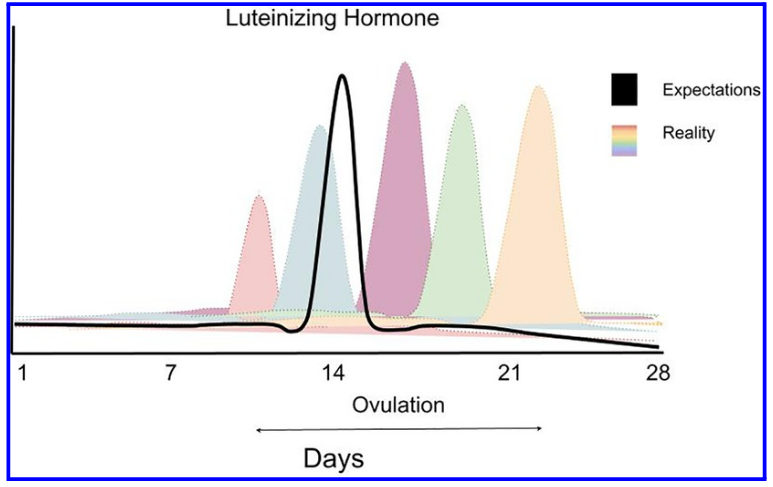

The depiction of the variability of oestrogen changes between three females across a menstrual cycle (Menstrual cycle hormones and oral contraceptives: a multimethod systems physiology-based review of their impact on key aspects of female physiology).
To complicate matters further, hormones can exhibit significant variability within a single day of a menstrual cycle and often do not have textbook-like ranges (Real-world menstrual cycle characteristics of more than 600,000 menstrual cycles + Real-life insights on menstrual cycles and ovulation) and very active women might have even more variability in menstrual cycle length than already mentioned (Hormonal contraceptive use, menstrual cycle characteristics and training/nutrition related profiles of elite, sub-elite and amateur athletes and exercisers). Blood levels of sex hormones are influenced by prior exercise activity, dietary energy restriction, and stress (Methodological Recommendations for Menstrual Cycle Research in Sports and Exercise), which are common among very active women, making testing results difficult to trust fully. Body temperature is easy and quick to to measure but 1) does not commonly relate to hormone levels of ovulation (Basal body temperature: unreliable method of ovulation detection) and is affected by lifestyle factors like stress, sleep, illness and your living environment temperature making this measure also difficult to trust (Basal body temperature assessment: is it helpful to couples seeking pregnancy?).

Serum = results from a blood test, LH = luteinising hormone. Recommended assessment process to verify ovulation within a menstrual cycle (Methodological Recommendations for Menstrual Cycle Research in Sports and Exercise).
However, outside of the lab, in the real world, it is common to guess your stage of the menstrual cycle often by counting days from your last period and perceived symptoms within the middle of the cycle as seeming related to ovulation, such as reporting feelings of increased libido, “ovulation pain”, breast pain, food preference changes and many more (Perceived impact of the menstrual cycle and hormonal contraceptives on physical exercise and performance in 1,086 athletes from 57 sports + Change in women's eating habits during the menstrual cycle + How Do Fluctuations in Endogenous Sex Hormones Affect Breast Pain in Female Athletes?). However, most women will notice that there is no single consistent ovulation symptom. The time between each period is often not consistently leading to a 28- or 30-day cycle. You can also still menstruate at regular times each month despite not ovulating, presenting another problem with planning training around the halves of the menstrual cycle accurately (Practice does not make perfect: A brief view of athletes’ knowledge on the menstrual cycle and oral contraceptives + Can apps and calendar methods predict ovulation with accuracy? + The Menstrual Health Manager (MHM): A Resource to Reduce Discrepancies Between Science and Practice in Sport and Exercise).
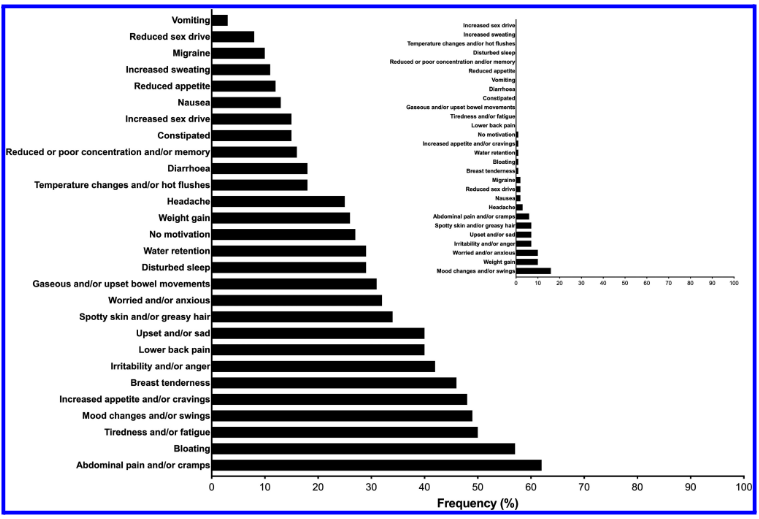

However, this does not mean we discourage the use of menstrual tracking apps (Fitrwoman.com). Although not perfect as a peak performance prediction tool, they can be more helpful for another life goal: increasing the chances of conception. Overall, determining which half of the menstrual cycle you are in after more than 7 days after menstruation is challenging; if knowing this mattered for performance or exercise adaptations, is what we will address next.

Recommendations for Evaluating Menstrual Cycle Phases and Their Impact on Athletic Performance (Ovarian hormones, the menstrual cycle, and athletic performance).
To let some women down, there are no reliable or repeatable cycle phase-induced differences in training adaptation or performance for aerobic (Effects of Exercise Training on Mitochondrial and Capillary Growth in Human Skeletal Muscle + The influence of the menstrual cycle and hormonal contraceptives on cardiorespiratory fitness in physically active women) or resistance exercise (Current evidence shows no influence of women's menstrual cycle phase on acute strength performance or adaptations to resistance exercise training). Instead, we should acknowledge more confidently that training should be guided by symptoms, regardless of whether they relate to one's hormone profile. There are significant differences between menstrual cycle symptoms day to day, symptom profile in response to commonly used contraceptives, and timing to based training around key sports events, not organised to account each woman's menstrual cycle. This suggests that making group-based recommendations to train differently within different halves of the menstrual cycle is not practical. Even when guided by female world experts (Menstrual cycle, contraception, pregnancy, menopause, and exercise with Dr Kirsty Elliott Sale + Changing your workouts based on your menstrual cycle – DocsWhoLift).
Performance changes may not be primarily caused by hormonal concentrations, but rather by the symptoms experienced differently by different women within the same phase of the menstrual cycle, which aren't strongly linked to the specific level of a sex hormone (Muscle Performance during the Menstrual Cycle Correlates with Psychological Well-Being, but Not Fluctuations in Sex Hormones + Perceived Negative Menstrual Cycle Symptoms, But Not Changes in Estrogen or Progesterone, Are Associated with Impaired Cycling Race Performance). For example, none of the primary sex hormones are causative in a dose-dependent manner to induce menstrual-related cramps, but menstrual cramps, and the expectation that cramps will reduce tolerance to exercise, can affect confidence and the exercise performance itself. Also, especially in the days around menstruation, the levels of cramping, headaches, breast pain, emotion regulation, perceived sleep quality and bloating might be different between two women who have the same length cycle and hormone levels or between cycles for the same female at the same time of each period. This is especially the case in the first years after experiencing a period for the first time (called menarche). These coincident symptoms could lead to different perceived ability to participate or perform in their usual exercise (Menstrual Cycle, Psychological Responses, and Adherence to Physical Exercise + Menstrual cycle influence on cognitive function and emotion processing + Neural mechanisms underlying changes in stress-sensitivity across the menstrual cycle + Does the reproductive cycle influence sleep patterns in women with sleep complaints?). Well-informed coaches should encourage a personalised approach to assessing individual exercise responses and prescribing progressive, consistent training for eumenorrheic athletes. Suppose you train more during only one half of your menstrual cycle. In that case, your training progress will be effectively halved, rather than adjusting training based on how your daily symptoms (cramps, bloating, pain, fatigue, mood, and attention) are affecting your exercise tolerance. It is worth noting that reduced perceived performance beliefs might not be strong enough to induce a nocebo effect and reduce performance when social encouragement is present in an exercise testing setting (Muscle Performance during the Menstrual Cycle Correlates with Psychological Well-Being, but Not Fluctuations in Sex Hormones) However, it is still encouraged to be careful of any nocebic belief that exercise will “not be worth it” due to the stage of the menstrual cycle you are in, or how you feel. Have optimism that any exercise is worth doing regardless of the time of your menstrual cycle and symptoms do not always affect performance (Influence of the menstrual cycle phase and menstrual symptoms on maximal anaerobic performance). Menstruation-specific training or assuming your limitations based on the time of your menstrual cycle is discouraged, often due to the nocebic effects of this behaviour on performance, symptom tolerance, and quality of life. Women need continued support to be able to cope with understandable worry or distraction of fear of individual symptoms across the menstrual period, especially around perceived and real social judgment of bleeding being noticed by others during early follicular phase (Nocebo effects are stronger and more persistent than placebo effects in healthy individuals + How the menstrual cycle and menstruation affect sporting performance: experiences and perceptions of elite female rugby players + Australian female athlete perceptions of the challenges associated with training and competing when menstrual symptoms are present + ‘That time of the month’ … for the biggest event of your career! Perception of menstrual cycle on performance of Australian athletes training for the 2020 Olympic and Paralympic Games).
Simply, we encourage consistent exercise training throughout the menstrual cycle, adjusting volume, intensity, and recovery according to your self-reported fatigue levels, readiness to train, and competition demands, if you are an athlete in a competition period (Australian female athlete perceptions).
Now, let's address the limitations of studies that have shown certain times of the menstrual cycle having an effect on a performance outcome. Often in these studies, statistical significance in changes in hormone levels may not translate into clinical significance in terms of the effects of those changes (Statistical vs clinical significance). Most strong opinions that “x” change in a hormone causes “y” change in a female, originate from animal studies, which have limitations when applied to humans (Mechanisms behind Estrogens’ Beneficial Effect on Muscle Strength in Females). Also, laboratory-based human studies fail to account for the complexity of the numerous interacting outcomes that affect ‘real-world’ sports performance. The consensus of evidence is mixed rather than strongly supporting that a hormone profile has a consistent effect on exercise outcomes (The Impact of Menstrual Cycle Phase on Athletes’ Performance + The Effect of the Menstrual Cycle and Oral Contraceptives on Acute Responses and Chronic Adaptations to Resistance Training + Menstrual cycle hormones and oral contraceptives + The Menstrual Cycle and Contraceptives: Stronger by Science + Women's Menstrual Cycle and Athletic Exercise Performance + Does menstrual cycle phase really influence athletic performance? + Menstrual Cycle Phase Has No Influence on Performance-Determining Variables in Endurance-Trained Athletes + Sex-based Training Recommendations: Evidence-based or Hype? – David Nolan, PhD | Sigma Nutrition + Menstrual Cycle “Syncing”: Do the Claims Hold Up to Evidence? - Expert Panel | Sigma Nutrition + Menstrual Cycle Effects on Sports Performance and Adaptations to Training: A Historical Perspective). For example:
Fat use compared to carbohydrate use during exercise was not found to be consistently different across all stages of the menstrual cycle, despite the theoretical mechanism of oestrogen levels assisting fat metabolism within the muscle during exercise (Menstrual cycle hormones and oral contraceptives: a multimethod systems physiology-based review of their impact on key aspects of female physiology + The Impact of Menstrual Cycle Phase on Athletes’ Performance).
Based on proposed hormone mechanisms of oestrogen in mice, muscle growth and strength are increased during the follicular phase, when oestrogen (and, to a much lesser degree, testosterone) levels are higher, which supports muscle growth. However, as this was studied further it is still “..premature to conclude that short-term fluctuations in reproductive hormones appreciably influence acute exercise performance or longer-term strength or hypertrophic adaptations.. influence of the menstrual cycle could be a factor to consider in program design, along with a host of other factors: nutrition, fatigue, sleep quality, stress, injury, motivation, and program enjoyment…the development of RET prescriptions based on cyclical hormonal changes is not an evidence-based approach” (Current evidence shows no influence of women's menstrual cycle phase on acute strength performance or adaptations to resistance exercise training).
Testosterone changes within a menstrual cycle are small and do not correlate to increased strength measures if higher than usual (Effect of menstrual cycle phase on the concentration of bioavailable 17-beta oestradiol and testosterone and muscle strength)
“Our data show no greater anabolic effect of resistance exercise in the follicular vs. the luteal phase of the menstrual cycle” (Menstrual cycle phase does not influence muscle protein synthesis or whole-body myofibrillar proteolysis in response to resistance exercise). In other words, blood measures of muscle growth were not higher on average when completing resistance training during either half of a menstrual cycle.
The impact of a warm-up on body temperature can negate any positive effect of a slightly higher body temperature at rest during the luteal phase and the theoretical negative impact of body temperature on exercise performance has not been supported (Influence of the Menstrual Cycle Phase on Marathon Performance in Recreational Runners).
Ingestion of carbohydrates prior to exercise counters any negative effect we would expect from the effect of sex hormones on carbohydrate metabolism that might negatively affect performance (Glucose kinetics and exercise performance during phases of the menstrual cycle: effect of glucose ingestion).
“Although hormones in the menstrual and OC cycles could affect substrate oxidation, as seen in cell and rodent studies looking at isolated effects of these hormones, their impact in females is subtle and overridden by more potent factors such as nutritional status, training status, and exercise duration or intensity…rather than creating general guidelines, the authors recommend a personalized approach based on each individual’s response to exercise performance…” (Menstrual cycle hormones and oral contraceptives: a multimethod systems physiology-based review of their impact on key aspects of female physiology)
“No significant correlations were observed between the variation in the sex hormones and the performance parameters, whereas physical performance varied with changes in psychological and physical well-being parameters” (Muscle Performance during the Menstrual Cycle Correlates with Psychological Well-Being, but Not Fluctuations in Sex Hormones).
Fitness adaptations after long-term exercise likely reduce sensitivity to hormonal fluctuations or improve coping with variable daily symptoms (Effects of menstrual cycle phases on athletic performance and related physiological outcomes). I.e the fitter you are, the less severe your symptoms of your menstrual cycle are expected to be and therefore will have less affect on your performance.
Potential reasons hormone levels might matter, but we have not observed this in research yet, due to:
Picking “elite women athletes” might increase the risk of measuring women with more irregular menstrual physiology due to their very high activity levels, thereby suppressing the ability to see whether “normal” menstrual physiology improves performance.
There is a lack of consistent menstrual cycle confirmation methods used across the studies to date. Many do not agree on or follow a gold-standard method for determining your day within your menstrual cycle.
An overall view of all published research reveals no phase differences in psychological and physical well-being or exercise performance among women with the same cycle length. No “one option suits all”. Menstrual cycle tracking, when misused, can encourage perceived perceptions of exercise fragility and cause inconsistency in regular training (Female Physiology–Endocrinology: Education Is Lacking and Innovation Is Needed!). Instead, daily and monthly changes in exercise performance are better correlated with motivation, your perception of your ability to perform (creating a nocebo or placebo performance effect), and the daily fluctuation of exercise tolerance and pain (daily changes in performance are normal for both sexes when active often enough to realise differences week to week (Methods for Regulating and Monitoring Resistance Training) and individual menstrual symptoms during exercise. However, guidance and coaching from another person can still be helpful, but avoid taking “I must listen to my body” too far. Any adjustments are better made for each session, as hopefully you can see the problem with “planning” to be impacted by your menstrual cycle ahead of time. The overall message should be to avoid overcomplicating exercise. Regardless of the time of your menstrual cycle - regular, progressive and tolerable exercise training will help reduce any troubling menstrual cycle symptoms you might have, which is just as well because the world of sport and competition is not scheduled by the likelihood that competitors will be in their right time of month.
“Do hormonal contraceptives affect exercise performance or adaptations?”
Worldwide, more than 100 million women use hormonal contraceptives today (History of oral contraceptive drugs and their use worldwide). Historically, some sports coaches with well-intended beliefs encouraged or forced female athletes to take hormonal contraceptives with the belief that hormone stability, or reducing the levels of either or both oestrogen and progesterone, would improve performance. Many women, outside of not wanting to become pregnant, might appreciate the Pill due to changes in their symptom profile that might positively affect their experience of exercise. But does that consistently allow superior performance or exercise adaptation compared to non-Pill users?
Despite helping with menstrual cycle symptoms in some women (Period Prevalence and Perceived Side Effects of Hormonal Contraceptive Use and the Menstrual Cycle in Elite Athletes + Combined hormonal contraceptives for heavy menstrual bleeding + Non‐contraceptive oestrogen‐containing preparations for controlling symptoms of premenstrual syndrome), hormonal contraceptives:
Have no strong effect on strength and muscle gains in response to strength training (The Effect of Hormonal Contraceptive Use on Skeletal Muscle Hypertrophy, Power and Strength Adaptations to Resistance Exercise Training + Oral contraceptive pill phase does not influence muscle protein synthesis or myofibrillar proteolysis at rest or in response to resistance exercise).
Have no effect on aerobic fitness (The influence of the menstrual cycle and hormonal contraceptives on cardiorespiratory fitness in physically active women + The Effects of Oral Contraceptives on Exercise Performance in Women).
For those concerned about the “side-effects” of hormonal contraception, be aware that:
There is no strong evidence that current hormonal contraceptives stop hormone function or reduce cognitive health (Do combined oral contraceptives have long-term effects? Little evidence of an enduring effect on cognitive function in former users) in healthy females who stop taking them after long term use. If the effect of hormonal contraceptives did have permanent negative effect on your sex hormones, 1) women would not be able to have multiple pregnancies (as hormone changes occurring during pregnancy stop menstrual cycles but we know post-pregnancy this normalises) and 2) hormonal contraceptives would delay menopause, which we do not observe in hormonal contraceptives users.
The perception of “side effects” are influenced by negative beliefs. “Increased side-effect expectations, stronger beliefs that medicines cause harm and are overused, increased perceived sensitivity to medicines, and decreased trust in medicine development were associated with increased attribution of symptoms to the hormonal contraceptive. Higher side-effect attribution scores were also associated with discontinued hormonal contraceptive use” (Exploring the Relationship Between Medicine-Related Beliefs and Side‐Effect Experience Among White Oral Contraceptive Users + Nonspecific side effects of oral contraceptives: nocebo or noise? + Perceived impact of the menstrual cycle and hormonal contraceptives on physical exercise and performance in 1,086 athletes from 57 sports). Also, the lack of evidence for hormonal contraceptives causing weight gain is described in the “Is it harder for women to lose fat than men?” later.
And finally, anyone who is fear-mongering about the effects of hormonal contraceptives on increasing blood clot risk needs to present these numbers in context of the health risks of the other options, being pregnant or the health risks of elective abortion.
In summary, there is no “one option suits all.” On average, hormonal contraceptives have no discernible negative or positive effects on performance, so its prescription should be based on this evidence. However, for many women, they can help manage intolerable menstrual cycle symptoms, which will hopefully help them achieve a performance and health benefit from exercise.
“Will exercise make my period pain/cramps worse?”
The practice of complete rest from all exercise during menstruation has been challenged for centuries but is still a common approach to period symptoms (The Question of Rest for Women During Menstruation, Google Books). For women with ovulation pain, menstrual symptoms during the luteal phase and pain during the days of menstrual bleeding, tolerable forms and intensities of exercise will not exacerbate pain and other menstrual symptoms during any part of the menstrual cycle (explained in the “should I plan my training around my menstrual cycle?” section above), especially when you believe it will be helpful (Exercise for dysmenorrhoea). Tolerable exercise at some point during the day, instead of complete rest, will likely have positive effects on your mood, reducing perceived fatigue, and reducing the intolerable effects of chemicals called prostaglandins. Prostaglandins increase around menstruation when progesterone is reduced, to promote shedding of the endometrium, but also have variable effects on promoting uterine contractions, period pain, headaches, and irritable digestion and diarrhea in women around the end of the luteal phase and for some women around ovulation (Prostaglandin level of primary dysmenorrhea pain). Tolerable exercise has similar (and for many, more powerful) “anti-inflammatory” actions on prostaglandins as commonly used drugs like Nurofen, which many women resort to often due to experience-based beliefs that it is the “only thing that will help” (Nonsteroidal anti-inflammatory drugs for dysmenorrhoea). Aerobic or strength training modes can and should be adjusted in terms of intensity or volume to maintain participation in exercise during this time. If you are unsure where to start, begin a walk at a comfortable pace for 5-10 minutes. If that is tolerable, you will also benefit from trying the bodyweight strength exercise you would usually complete at the gym that day. If all this is tolerable, it is safe to try more or complete your usual exercise routine for that day, and adjust based on how you feel (The effect of exercise on menstrual symptoms). Seeking coaching for what to try during this time is very reasonable to help assist starting and reducing concerns of “any exercise will make me feel worse.”
“What can I do to help with breast pain during exercise?”
Breast pain or discomfort during or after exercise or insecurity about breast movements causing comments or unwanted attention from others during exercise is often responsible for women completing less intense exercise than men after puberty (Physical activity change during adolescence + Exploring the Adolescent Fall in Physical Activity: A 10-yr Cohort Study). Many women do not report breast pain in a sports setting due to pain stigma (Breast‐Related Issues in Community‐Based Women's Rugby Union + ‘Don’t tell the coach’: contact breast injury and breast pain in under-18 international female rugby players + The Occurrence, Causes and Perceived Performance Effects of Breast Injuries in Elite Female Athletes). It is also commonly reported by women after breast cancer surgery (The Physiotherapy Intervention for Shoulder Pain in Patients Treated for Breast Cancer). There are many resources to share to support women seeking help to address breast pain during exercise, and to support more women experiencing the benefits of exercise. Every woman should have access to bras that support their exercise goals, so here are some resources to help seek this support, no pun intended.
Be careful of thoughts along the lines of “because breast movement during exercise can become painful, breast movement in general is “bad” for your breasts.” Another example could be that walking can be sore after you sprain your ankle, but that does not mean walking bad for your ankles when sore (PEACE and LOVE). Just like what can be encouraged for orthotics, joint bracing, footwear, or modifying gym movements when a movement is intolerable, a modification to your bra might improve breast pain during exercise; bra choice does not need to be a long-term change. Just like footwear and orthotics for the feet, bras shift stress away from the sensitive breast tissue, but wearing different bras when your breasts are no longer painful is suitable and not harmful for your breasts long term (The Role and Value of Symptom-Modification Approaches in Musculoskeletal Practice | Journal of Orthopaedic & Sports Physical Therapy). Bra choice has not been shown strongly to prevent breast pain during exercise. Still, it can be used to improve symptoms when present (Can Physical Characteristics and Sports Bra Use Predict Exercise-Induced Breast Pain in Elite Female Athletes?) However, we still support selecting a bra choice based on reducing movement during exercise to avoid social observation as a long-term decision, so you don’t have a modifiable barrier to exercise. You can enjoy the hundreds of benefits of exercise (50 benefits of strength training + 50 Benefits of Aerobic Training or Planned Physical Activity). Exercise in clothing that you feel comfortable wearing.

“As a female, am I more at risk of injuries than men?”
This belief has been reinforced over time due to vivid media reports of injuries, particularly around injury of the anterior cruciate ligament (ACL) of the knee, in women's sports. Female injury susceptibility theories centre around sex differences in anatomy and the influence of the menstrual cycle. Other general beliefs about female “fragility” are centuries old but have finally been challenged in the last decade by ongoing scientific research in this area (What is the true evidence for gender‐related differences during plant and cut maneuvers?). Many areas of current evidence can dispute the unhelpful belief of female fragility, to encourage optimistic feelings of body ableness in women. Perceived and actual risk of injury in female actually depends on:
The type of injury:
Males have a higher risk of injuries than females in many areas of the body including muscle strains (Injuries among male and female elite football - Google Scholar), strains of another ligament of the knee, the medial collateral ligament (Epidemiology of muscle injuries + MCL Sprain Rehab - E3 Rehab), and shoulder dislocations (Shoulder Instability in Women Compared with Men Epidemiology, Pathophysiology, and Special Considerations) disputing female fragility in all areas of the body.
Rate of injuries from strength training is higher in men compared to females (Narrative Review of Sex Differences in Muscle Strength, Endurance, Activation, Size, Fiber Type, and Strength Training Participation Rates, Preferences, Motivations, Injuries, and Neuromuscular Adaptations).
Inequities in resources reducing access to injury risk-reducing resources:
The number of women participating in field and court-based contact sports, such as Australian football, soccer, and basketball, has increased significantly over the last decade (Women in the Olympic Movement). The problem with this is that either sex can develop that tolerance to these sports through decades of participation and access to agility and strength training. Accessibility due to “acceptability” for males to participate in these sports and their related injury-risk-reducing activities, such as heavy strength training and frequent team practice from a younger age, can explain much of why females seem to be at higher risk of injury. Women across many levels of contact sports have been underfunded and under-supported in training for decades, and this remains a current issue. The increased ACL injury risk in recreational female athletes compared to elite athletes likely reflects a lack of preparation for sport in recreational athletes, while elite women athletes are clearly better prepared for sport, and have more financial and social support to complete injury risk-reducing strategies like more completing more training days of sports and heavy strength training (Anterior cruciate ligament injuries in Australian football: should women and girls be playing?) You’re asking the wrong question + Adolescent combined hormonal contraceptives and surgical repair of anterior cruciate tears: a risky recommendation based on an unproven causal relationship + Female, woman and/or girl Athlete Injury pRevention (FAIR) practical recommendations). Ensuring years of earlier exposure to sports coaching, strength exercise and sports training in “controlled chaos” while encouraging “risk taking” gradually over time should be more supported, as it is for males (Training for “Worst-Case” Scenarios in Sidestepping: Unifying Strength and Conditioning and Perception + Gender differences in risk taking).
“Gender disparity among athletes in the incidence of ACL injuries may be the result of inadequate experience in proper balance and landing technique rather than intrinsic gender factors” (Comparison of Landing Biomechanics Between Male and Female Professional Dancers).
“Female dancers had lower ACL injury risk factors than female soccer players during landing tasks…..Likely, the extensive training in landing techniques that professional dancers undergo from a young age is partially responsible for the protective biomechanics that they exhibit during landing” (Differences in anterior cruciate ligament injury risk factors between female dancers and female soccer players during single- and double-leg landing).
Skill seems to predict movement patterns better than sex (Sex differences in the kinematics and neuromuscular control of landing: Biological, environmental and sociocultural factors).
We have seen substantial protective effects of giving women access to injury risk reduction programs that men have had support and encouragement to complete for many decades now (Specific exercise effects of preventive neuromuscular training intervention on anterior cruciate ligament injury risk reduction in young females). Supporting access to these strategies can negate potential "non-modifiable" risk factors for injury in females such as bone shape (The Bare Bones of Sex: Part 1—Sex and Gender), while improving markers of lower limb capacity such as knee ligament thickness (Effects of season long participation on ACL volume in female intercollegiate soccer athletes + Quadriceps muscle volume positively contributes to ACL volume), and muscle strength symmetry of the muscles around the knee (Comparison of Quadriceps and Hamstring Muscle Activity during an Isometric Squat between Strength-Matched Men and Women).
As financial support for women's sport increases 1) more training sessions can be financially supported, which are protective on game day and 2) support more players on each team. Increasing team numbers allows more substitution or organised rest periods for each players during gameplay rather than being limited due to less players available to play. This will reduce fatigue during games, potentially reduce injury risk rather then each player have to play more minutes per game (Limitations of athlete-exposures as a construct for comparisons of injury rates by gender/sex + Gender Inequities in Sports and ACL Injury Risk).
Ongoing sex beliefs known to increase implicit fear of injury and the belief in having low capacity to exercise and sports stress:
Intrinsic belief in increased injury risk has been significantly influenced by perceived female norms for centuries now in most cultures, which are taking time and education to reduce. Currently, active women or those considering becoming more active are strongly influenced by multiple unhelpful social norms that affect injury risk, movement preparation, and movement capacity.
Powerful embodied female sociocultural beliefs are hypothesised to change how women move confidently or react to sudden powerful movement, which most would intuitively agree would increase the risk of injury. Movement quality in females has been reported to be influenced by “sexual objectification” and “self-objectification,” which are described as when “viewing one’s body as an object from a third-person perspective, self-objectification often results in timid and incomplete movement patterns by decreasing the manipulated degrees of freedom.” So thoughts and social pressure to “move like a girl” or move with less “sexual objectification” creates subconscious movement behavior that could increase the risk of injury (Trait self-objectification in women + “Sit like a lady”: Gender-related sociocultural constructs and implications for anterior cruciate ligament injury risk in active women + Do achievement goals mediate stereotype threat?: an investigation on females' soccer performance + Throwing like a girl: Self-objectification + Anterior cruciate ligament injury: towards a gendered environmental approach). Common cultural beliefs often quoted as being “intuitive” that specific movements are “dangerous for females,” primes females to have “self-fulfilling prophecy”-like beliefs of “my movements will cause an injury” (Effect of stimulus repetition on positive and negative identity priming), contributing to increased injury risk observed in females (The myth of feminine fragility).
We know exposure and self-embodiment of sex beliefs increase during the years sport is becoming more accessible, in early adulthood in females (Becoming an object: A review of self-objectification in girls), and is strengthened by popular social media driven stereotypes (The effects of a television drama-based media + Sexual objectification in women's daily lives: A smartphone ecological momentary assessment study). This exposure strengthens sex internal symbolism, which when not met (potentially affected by confusing “female only” exercise and nutrition advice or social expectations), affects feelings of body dissatisfaction and body shame (Social Media Use and Internalizing Symptoms in Clinical and Community Adolescent + Social Media Use and Depressive Symptoms During Early Adolescence), which like any negative belief about reducing belief in movement preparedness or through the effects of any distractive thought, might predispose females to injury (The combined impact of a perceptual-cognitive task and neuromuscular fatigue on knee biomechanics during landing + Anterior cruciate ligament injury mechanisms through a neurocognition lens: implications for injury screening). These negative self-beliefs also discourage movement learning (Children’s Motor Skill Learning is Influenced by Their Conceptions of Ability + Conceptions of Ability Affect Motor Learning) and long-term participation in vigorous sports which can have significant negative impact on a woman’s long-term health (Health Benefits of Different Sports: a Systematic Review and Meta-Analysis of Longitudinal and Intervention Studies + Various Leisure-Time Physical Activities Associated With Widely Divergent Life Expectancies).
Women are also more at risk of having low daily energy intake, eating disorders and sleep disturbance, likely due these societal pressures regarding body image, shaping food “preference,” which can increase injury risk (International Olympic Committee’s (IOC) consensus statement on Relative Energy Deficiency in Sport (REDs) | British Journal of Sports Medicine + Prevalence of eating disorders in elite athletes is higher than in the general population + The Impact of Social Media on Adolescents’ Eating and Sleeping Habits + Sex-Based Differences in Food Consumption).
The implicit or explicit belief of “I and my xyz joint is fragile” is also known to increase rates of persistent pain reported in the low back (Making Sense of Low Back Pain and Pain-Related Fear | Journal of Orthopaedic & Sports Physical Therapy), shoulders (Non-specific diagnostic labels for musculoskeletal conditions foster positive views about prognosis and non-invasive management but require clear explanation), hip (Effects of Hip Pain Diagnostic Labels and Their Explanations on Beliefs About Hip Pain and How to Manage It), neck (‘I am afraid to make the damage worse’ – fear of engaging in physical activity among patients with neck or back pain). Any intrinsic belief in fragility should be managed to reduce injury risk and/or persistent pain in either sex (Rehabilitation Interventions for Fear-Avoidance Beliefs and Behaviors in Sudden Onset Musculoskeletal Conditions + Pain Related Fear and Catastrophizing Predict Pain Intensity and Disability Independently Using an Induced Muscle Injury Model + Effects of a resistance and balance exercise programme on physical fitness, health-related quality of life and fear of falling in older women with osteoporosis and vertebral fracture).
A classic example of a common harmful sex belief is that “females should not lift heavy.” As already mentioned above, being strong and participating in regular strength training is one of the best interventions we have to protect both sexes against most injuries that might occur during sports, and compliance to regular strength training is already a problem in most sports settings due to fear of injury while lifting or an outdated fear of “becoming slow” (Prevention of acute knee injuries in adolescent female football players + Strength training as superior, dose-dependent and safe prevention of acute and overuse sports injuries + The effectiveness of exercise interventions to prevent sports injuries + Barbell Squat Relative Strength as an Identifier for Lower Extremity Injury in Collegiate Athletes + The importance of muscular strength in athletic performance). As with sports participation, our unhelpful social norms contribute to lower strength training participation among females (Worldwide trends in insufficient physical activity from 2001 to 2016: a pooled analysis of 358 population-based surveys with 1·9 million participants + “It's gym, like g-y-m not J-i-m”: Exploring the role of place in the gendering of physical activity + The epidemiology of aerobic physical activity and muscle-strengthening activity guideline adherence among 383,928 adults). Women participating in strength-training programs may face perceived and actual social judgment from either sex about looking or “attempting to look” more masculine. Naturally, the response is to avoid exposure to a strength-training environment, not participate at all, or hold back effort in the weight room due to not wanting to “become bulky” or be perceived as manly, even though exertional grunts are helpful for high-effort exercise (“Holding Back”: Negotiating a Glass Ceiling on Women's Muscular Strength). This undermines the protective effects of strength training. “We hope that by promoting a deeper understanding of the historically informed social challenges influencing women's engagement in strength training, strength coaches will be able to help female athletes to stop 'holding back' in the weight room” (Historical and Social Considerations of Strength Training for Female Athletes). Women should have more access to guidance to enable them to engage in vigorous strength training, just as they would to sprint, jump high, or think academically (Girls Gone Strong Academy + E-edition: Female Athlete Health | BJSM). Women should be encouraged and supported to put down the pink dumbbells and yoga mat and demand the closest squat rack or bench press.
What about sex hormones, especially oestrogen, reducing tissue and ligament stiffness at certain phases of the month? Does this increase injury risk? Although some evidence has correlated the phase of the menstrual cycle with injury, hormone-related theories regarding the effects of oestrogen and relaxin on tissue laxity, movement “quality”, and cognition have not been firmly proven (Insights in the Effect of Fluctuating Female Hormones on Injury Risk—Challenge and Chance). Again, for many ligaments, males report more injuries than females. Injuries to the ligament on the inside edge of the knee, called the medial collateral ligament, and shoulder dislocations are greater in males than in females.
The studies that have seen an increased risk of injury for women have not:
directly measured hormones, but assumed a hormone profile based on calendar counting (unhelpful to predict hormone profile as explained in the “Should I plan my training around my menstrual cycle” section above),
accounted for the effects of the common belief that women (Role of the Menstrual Cycle on Performance and Injury Risk: A Survey of Female Professional Rugby Players), and the parents of women believe that this time of the menstrual cycle increases injury risk (Stigma and Anxiety and Depressive Symptoms in Parents of Sexual and Gender Minority Youth). Again, if you and your social support believe you are currently at increased risk of injury, injury risk can be heightened due to subconscious movement changes and distractive thoughts.
Admitted to other research showing mixed/non-conclusive evidence for injury risk at certain times of the menstrual cycle (Injury Incidence Across the Menstrual Cycle in International Footballers + Menstruation and injury occurrence; a four season observational study in elite female football players + Cycles and Strains: A Systematic Review and Meta-Analysis of the Influence of the Menstrual Cycle on Muscle Injuries + Injury Incidence, Severity, and Type Across the Menstrual Cycle in Female Footballers: A Prospective Three Season Cohort Study).
Admitted to knowledge of other confounders of this relationship such as that 1) the effect of tissue stiffness does not consistently change for all women during the menstrual cycle (The Impact of Menstrual Cycle Phase on Athletes’ Performance), 2) ACL tears do not consistently appear to be associated with periods of increased joint laxity (The Menstrual Cycle May Affect Anterior Knee Laxity and the Rate of Anterior Cruciate Ligament Rupture), 3) knee laxity does not consistently seem to relate to knee injury risk anyways (Risk factors for noncontact anterior cruciate ligament injury in female high school basketball and handball players), and 4) “Controlling” hormones in other studies with contraceptives has had no strong effect on injury prevention (Combined hormonal contraceptive use is not protective against musculoskeletal conditions or injuries: a systematic review with data from 5 million females).
“We cannot conclude that there is a correlation between the menstrual cycle and the risk of ACL injury” (The Influence of the Menstrual Cycle and Oral Contraceptives on Knee Laxity or Anterior Cruciate Ligament Injury Risk).
“It is inconclusive whether a particular menstrual cycle phase predisposes women to greater non-contact ACL injury risk based on neuromuscular and biomechanical surrogates” (Effects of the menstrual cycle phase on anterior cruciate ligament neuromuscular and biomechanical injury risk surrogates in eumenorrheic and naturally menstruating women).
“Focusing primarily on the menstrual cycle can result in us ignoring other critical socio-environmental and psychological factors that adversely affect women athletes” (Beyond the Menstrual Cycle: Time for a Holistic Approach to Athlete Health and Performance).
So is injury risk in females a “nature or nurture” problem? Overall, it's arguable that modifiable factors can explain a lot of the actual injury risk of sports for females, such as:
lack of early and prolonged supported exposure to structured exercise coaching and challenging sports without objectification,
reducing implementation of “female rules” which reflect perceived female fragility or to make female sport “more watchable” including, shorter quarters in football, smaller fields in cricket or fewer sets in tennis
not encouraging risk taking during early and adult exposure to sport reducing preparedness of chaos inevitable in sport, and
lack of resources, and social support to encourage long term participation in preventative training methods like access to sports fields and heavy strength training equipment compared to males.
Focusing on your unmodifiable sex-related factors is ignoring the complexity of “predicting injuries,” so it is not helpful or encouraged to focus on when deciding what physical activity you want to participate in (Psychological, social and contextual factors across recovery stages following a sport-related knee injury + Intervention strategies used in sport injury + Can we predict ACL injury? And if not, what should we do? Prof. Roald Bahr). If you are concerned about your injury risk in your sport, seek well-informed advice on modifying the known strong modifiable risk factors for injury so you can be optimistic and confident in your performance in the gym or the sporting arena.
“As a female, should I eat differently from males?”
Despite significant differences between males and females, there is no evidence-based guidance that would not benefit both sexes equally. This should challenge the popular notion that women and men should eat significantly differently. It is encouraged to take an individual-based approach to nutrition rather than a sex-based one, which, unfortunately, is more realistic and complex than offering “quick fixes” with an attached “pink tax.” Here are some more resources discussing this topic in more detail for females and the context where dietary changes are important to prioritise, rather than simply start because you are female:
International society of sports nutrition position stand: nutritional concerns of the female athlete
Nutrition for Special Populations: Young, Female, and Masters Athletes
Women’s Nutrition Considerations Over the Life-course | Sigma Nutrition
Which Micronutrients Do I Need? – Commonly Underconsumed Vitamins & Minerals | Sigma Nutrition
Do protein needs change during the menstrual cycle, or increase due to being female?
The short answer is women don’t need more protein than men, but most of both sexes can benefit from prioritizing more protein anyway (Sex differences and considerations for female-specific nutritional strategies). Keep to the recommendations of this Protein article, higher than you might think.
Women might actually use less protein for energy compared to men during the day, reducing the need for higher than recommended amounts (Gender differences in protein metabolism).
For those asserting that “women need more protein than men.” - check whether they have any affiliations to a protein product… they might just be getting paid to tell you this.
Do women need more creatine supplementation than men?
Women generally have smaller muscles than men, so they have less creatine storage, and there is some truth to making a distinction in creatine recommendation to be increased for women. The feeling of being a “non-responder” to creatine supplementation is more likely for those with low muscle mass. However, two people with the same amount of muscle of either sex will be able to use the same amount of creatine, regardless of sex. Proposed menstrual cycle effect on creatine metabolism does not indicate higher doses already recommended for both sexes (Creatine in women’s health: bridging the gap from menstruation through pregnancy to menopause + Creatine Supplementation in Women’s Health: A Lifespan Perspective).
In cases where a person is encouraging consuming more creatine because you are a female, or recommending a “womens-only” type of creatine, an affiliation to a creatine product likely at a higher price than usual due to the “pink tax” is likely. This “women-specific” advice is not based on honest science.
Advice about anemia management with iron supplementation can be important for some women but is also potentially helpful for males:
Iron Issues in Athletes – Prof. Pete Peeling + Iron Absorption from Foods & Supplements – Prof. Paul Sharp + Diagnosing & Treating Iron Deficiency & Excess – Austin Baraki, MD
Diagnosing & Treating Iron Deficiency & Excess – Austin Baraki, MD | Sigma Nutrition
Iron Absorption from Foods & Supplements – Prof. Paul Sharp | Sigma Nutrition
Iron Issues in Athletes – Prof. Pete Peeling | Sigma Nutrition
Nutrition priorities encouraged during pregnancy don’t change from consuming a healthy diet. However, some nutrient deficiencies are harmful for a developing baby, but the same advice to avoid these deficiencies would still benefit men:
Julie Abayomi, PhD, RD – Diet During Pregnancy | Sigma Nutrition
Women’s Nutrition Considerations Over the Life-course | Sigma Nutrition
Folic Acid Supplementation for the Prevention of Neural Tube Defects + Folate – Intake, Genetics & Health Outcomes | Sigma Nutrition
Creatine and pregnancy outcomes: a prospective cohort study of creatine metabolism + Do Pregnant Women Consume Enough Creatine? + Association between dietary intake of creatine and female reproductive health
See the Pregnancy section later for exercise recommendations during pregnancy.
“Fasting is bad for women” - Should women eat before exercise to avoid “cortisol spikes” limiting fat loss?
The short answer: Don’t worry about it. It is normal for cortisol to be highest in the morning and increase during exercise. You are not a rat living in restriction in a science lab with or without an endocrine disorder that can’t tolerate cortisol spikes. Not eating for more than 6 hours or more prior to training, called “fasted” training, will not limit your long-term exercise adaptations or your ability to lose weight with exercise. If the effects of fasting prior to exercise stopped fat loss, no one would be underweight and malnourished in the food insecure areas of Australia and the rest of the world.
(Impact of Overnight Fasted State Versus Fed State on Adaptations to Resistance Training) “Regardless of food consumption before the sessions (fasted state and fed state), RT performed twice weekly across 12 weeks was associated with improvements in muscle hypertrophy and neuromuscular performance”
(Interval training in the fed or fasted state improves body composition and muscle oxidative capacity in overweight women) “fed- versus fasted-state training does not alter this response.”
(Body composition changes associated with fasted versus non-fasted aerobic exercise) “body composition changes associated with aerobic exercise in conjunction with a hypocaloric diet are similar regardless of whether or not an individual is fasted before training.”
(Does the weight loss efficacy of alternate day fasting differ according to sex and menopausal status?) “These findings suggest that the weight loss and metabolic benefits of ADF” (alternate day fasting) “do not generally vary according to sex or menopausal status in adults with obesity.”
(A randomized controlled trial to study the effects of breakfast on energy intake, physical activity, and body fat in women who are nonhabitual breakfast eaters) “our study showed that requiring non-breakfast eaters to eat breakfast resulted in higher caloric intake and weight gain.”
See our “Cortisol Catastrophisation” article, to be published, to see why cortisol spikes are helpful for exercise adaptations and future stress tolerance, and to reduce the concern about cortisol fearmongering, easily sold by well-intentioned social media figures.
Eat to your preference to support exercise adaptations, exercise readiness and your general health goals around an exercise session (Eat For Health + Contemporary Nutrition Interventions to Optimize Performance in Middle-Distance Runners + Nutritional Strategies to Improve Post-exercise Recovery and Subsequent Exercise Performance + Is There a Postworkout Anabolic Window of Opportunity for Nutrient Consumption? Clearing up Controversies + Post-workout carbs).
“Is it harder for women to lose fat than men?”
Many myths exist making fat loss for either sex more difficult then it needs to be (). There are multiple reasons make women believe fat loss is harder for them than for men:
Women tend to start at a higher body fat percentage, so it takes them longer to notice weight loss when using visual assessment alone (Measuring Body Composition).
If you believe “fat loss will be hard” then fat loss will be hard for either sex, and sex metabolism and hormone myths make this common for women in particular to believe. Perceived difficulty in losing fat due to perceived sex disadvantages and “failure” of previous weight loss attempts create friction to tolerating the discomfort normal during weight loss periods, reducing the sustainability of achieving long-term weight loss success. If you believe weight loss will be difficult, it will be (Mind over milkshakes: mindsets, not just nutrients, determine ghrelin response). Lets address some common beliefs creating unhelpful friction to tolerating the simple but not easy process of losing weight/fat.
“Fat gain is inevitable across the menstrual cycle.”
There is mixed evidence to support positive or negative body composition changes across the menstrual cycle (The Impact of Menstrual Cycle Phase on Athletes’ Performance + Effects of a 16-month randomized controlled exercise trial on body weight and composition in young, overweight men and women). Some women cope with their symptoms of the menstrual cycle with increased food consumption, while some respond to “weight gain” which is only water retention as “failure”, and give up or reduce fat loss efforts. “Sticking to the plan, not your mood” can minimise overeating and assist any weight loss goals (Influence of Menstrual Cycle or Hormonal Contraceptive Phase on Energy Intake and Metabolic Hormones + Modest changes in dietary intake across the menstrual cycle: implications for food intake research + Weight Loss and Appetite Control in Women). It is also common for either sex to underestimate how much food they eat each day, leading to common beliefs of “I hardly eat anything,” while still overeating (Discrepancy between Self-Reported and Actual Caloric Intake and Exercise in Obese Subjects).
“Cravings are inevitable and due to my sex hormones.”
Cravings and taste perception do change across a menstrual cycle (Does Each Menstrual Cycle Elicit a Distinct Effect on Olfactory and Gustatory Perception? + All cravings are not created equal. Correlates of menstrual versus non-cyclic chocolate craving) but are not related to a certain hormone profile (Hormonal contraceptive use, menstrual cycle characteristics and training/nutrition related profiles of elite, sub-elite and amateur athletes and exercisers). Cravings are food specific but do not need to be portion size specific. Cravings are also cyclical like fatigue, boredom and hunger throughout the day. The same habits you would use to resist napping when tired (Sleep Health and Habits), can be used to reduce cravings or increased periods of hunger normal to have throughout the day.
“Hormonal contraceptives cause weight gain.”
There is no strong evidence to suggest hormonal contraceptives are responsible for weight gain or inability to lose weight commonly reported by women across the menstrual cycle (Combination contraceptives: effects on weight - Cochrane Library + Postpartum weight loss in overweight and obese women using the etonogestrel subdermal implant + Weight change and adverse event incidence with a low-dose oral contraceptive).
“Women should eat differently from men.”
As already described in the section above, although well-intended, confusion and fear-based food marketing can make it harder for women to make consistent food choices supporting weight goals, and waste time and money on unhelpful supplements or unproven weight loss technology.
“Unique women's appetite hormones prevent weight loss.”
Although sounding theoretically true, they are often not true or used to sell or justify a higher price for supplements to women (Are hormones the key to weight loss? + Women’s Nutrition Considerations Over the Life-course | Sigma Nutrition).
“Women have a slower resorting metabolism”
Not when muscle and bone mass is equal between a male and a female (Body composition and resting metabolic rate: the myth of feminine metabolism).
Water retention can hide progress or make you think you have not lost weight.
Fluid retention and reports of “bloating” are reported throughout the whole menstrual cycle. While up to 5kg of weight gain can be expected for some women, bloating or water retention is not predictable based on hormone levels and the phase of the menstrual cycle you are in. Bloating can also be perceived when no weight gain is measurable. So don’t let “bloating” be perceived as weight loss failure (Fluid Retention over the Menstrual Cycle: 1-Year Data from the Prospective Ovulation Cohort + The Women’s Book Vol 1).
“no indication of a relationship between pooled hormone concentrations of oestradiol and progesterone on self-reported fluid retention scores…..Thus, it seems there is a mismatch between any experimental evidence for effects of oestrogen and progesterone on body fluid and electrolyte balance, with self-reported fluid retention” (Fluid and electrolyte balance considerations for female athletes).
“For athletes reporting bloating as a GI symptom pre-race, there were 19 instances during the follicular phase, and 16 occasions during the luteal phase. There was no difference in body mass on occasions athletes reported “moderate” bloating compared to no bloating or that of less than “moderate” severity….Body mass also did not differ between follicular and luteal phases” (Perceived Negative Menstrual Cycle Symptoms, But Not Changes in Estrogen or Progesterone, Are Associated with Impaired Cycling Race Performance).
There is a difference between fat loss occurring and whether you can measure it or not. Women may need to extend their expected timeframe for when the results of their efforts become measurable, rather than giving up on weight loss completely, to account for fluctuations in body water. An example might be making dietary and exercise-based changes to induce weight loss each week, but only assessing average weight loss every 4 weeks rather than each week (Measuring Body Composition). Don’t let daily weight fluctuation change your consistency of practising sound principles for weight loss over months of time and your average weekly weight will come down (Dietary Recommendations for Body Mass and Composition Manipulation in Male and Female Athletes).
Be optimistic that “bloating” can also be reduced with weight loss and associated healthy habits completed to assist weight loss like eating less food, eating less processed food with high salt contents and exercising more (Obesity and chronic gastrointestinal tract symptoms in young adults + Association of upper and lower gastrointestinal tract symptoms with body mass index in an Australian cohort + Physical activity and intestinal gas clearance in patients with bloating + Effects of the DASH Diet and Sodium Intake on Bloating). However, know that long-term eating behaviors, such as eating more fibre or protein, can increase short-term bloating (Effects of High-Fiber Diets and Macronutrient Substitution on Bloating). In contrast, increased stress, self-induced by unhealthy dieting beliefs like “my sex makes it harder to lose weight” or unpredictable lifestyle stress from friends, family, or work, can increase symptoms of bloating (Relationship between job stress and functional dyspepsia + Stress reduction and psychological therapy for IBS + Stress and the gut: pathophysiology, clinical consequences). Gradually increasing protein and fibre intake if you experience increased bloating symptoms, while planning stress-coping strategies each day, can help alleviate bloating until your weight loss achievements take effect.

Resources for some women’s health questions to cover in more detail in future articles:
Also, let us know if you have any women's health questions you would like included in future updates of this article.
Menopause Health
Exercise and Pregancy
Endometriosis
Effect of physical activity and exercise on endometriosis-associated symptoms: a systematic review
Overview | Endometriosis: diagnosis and management | Guidance | NICE
(2018). Endometriosis. Nature reviews Disease primers- Google Scholar
When more is not better: 10 ‘don’ts’ in endometriosis management. An ETIC* position statement
Polyendocrine Metabolic Ovarian Syndrome (PMOS).
Previously known as “Polycystic ovary syndrome” (PCOS). The name was changed to emphasise the multiple body systems influenced by this condition and to reduce the potential harm of the focus on ovary features which are not a consistent feature of the condition (Polyendocrine metabolic ovarian syndrome, the new name for polycystic ovary syndrome: a multistep global consensus process - The Lancet + PCOS Renamed to PMOS? Here's Why and What Changes for You). Unfortunately this is a new name as of 2026 so most/all of the resources below have not been updated with this new name yet but hopefully that does not discount their worth.
Position statement on exercise and polycystic ovary syndrome
Exercise Recommendations for Women with Polycystic Ovary Syndrome: Is the Evidence Enough?
Barbell Medicine Podcast Polycystic Ovarian Syndrome (PCOS) | RedCircle
The GP Show: Polycystic Ovarian Syndrome with Dr Anju Joham and Dr Jillian Tay
Almost Everything You Need To Know About PCOS- Martin MacDonald
Best Diet for PCOS (Polycystic Ovarian Syndrome) | Educational Video | Biolayne
Women’s Nutrition Considerations Over the Life-course | Sigma Nutrition
Home Page - Polycystic kidney disease | PKD treatment research | PKD Foundation
Weight loss for women with and without polycystic ovary syndrome - “A 12-week completers analysis showed that the total weight loss did not differ significantly between PCOS (n=137) and non-PCOS participants (n=137) (–18.5±6.6 kg vs –19.4±5.7 kg..”
General Women’s Health Resources/Leaders:
Lauren Colenso-Semple, PhD (@drlaurencs1) • Instagram photos and videos + Women's Fitness Myths, Cycle Syncing, & Fasted Cardio DEBUNKED with Dr. Lauren Colenso-Semple + Episode 379: Menopause Myths, Cortisol Belly, & The Truth About IUDs + Female-Specific Training & What the Science Really Says | Dr. Lauren Colenso-Semple
Dr.Gabrielle Fundaro, CHC (@trust_and_nourish) • Instagram photos and videos + Gabrielle Fundaro, PhD, CHC (@no_bs_guthealth) • Instagram photos and videos
Andrea C. Love, PhD (@dr.andrealove) • Instagram photos and videos
Nick Hannah | Physio + Coach | (@hannahmoves) • Instagram photos and videos
Movement Logic Tutorials (@movementlogictutorials) • Instagram photos and videos
Women’s health misinformation | Dr Jen Gunter, OB, GYN - The Proof (We apologise in advance for the sponsors of this show which are unfortunately sometimes outdated. Hopefully this is not a barrier for trusting who is being interviewed). Here is more from the guest- A Five-Step Guide to Combating Misinformation on Social Media + The Truth About Women’s Hormone Therapy | Dr. Jen Gunter + Dr. Jen Gunter | Substack
Women's Health Consultation with Dr. Loraine Baraki - Barbell Medicine
Kelly McNulty, PhD (@periodoftheperiod) • Instagram photos and videos
Dr. Christina Prevett PT, PhD (@dr.christina_prevett) • Instagram photos and videos
Nicole Surdyka DPT, CSCS, CPSS (@dr.nicolept) • Instagram photos and videos
Dr Claire Minshull - Get Back To Sport + 074 Talking About Strength and... - The NAF Physio Podcast - Apple Podcasts
Elisabetta Brigo🔹Physiotherapist (@the.physio.formula) • Instagram photos and videos


Comments